
Coaching is not motivation.
Coaching is a precise intervention in the way you see, think and act.
Coaching is a partnership in which coach and client together explore the assumptions, patterns and perspectives that shape the way the client acts — and open up space for different choices.
I work with professionals and teams who are already competent in their field and want to go deeper: into leadership, into decision-making, into authenticity within organisational contexts.
Coaching is not for everyone. For those looking for advice, quick fixes or emotional reassurance, there are other tools. For those ready for a serious process of questioning and growth — let's talk.

What coaching really is
Coaching is not therapy. It is not mentoring. It is not consulting. And it is not a motivational talk.
Therapy deals with the past and with healing. Mentoring passes on experience and knowledge. Consulting provides answers. And a motivational talk provides energy that lasts until you reach the car park.
Coaching is something different: a conversation that changes the angle from which the client sees a situation. The coach does not know better than the client what is good for them — but knows how to ask the questions the client does not ask themselves. And it is right there, between the question and the answer, that the shift happens.
What actually happens in a coaching session
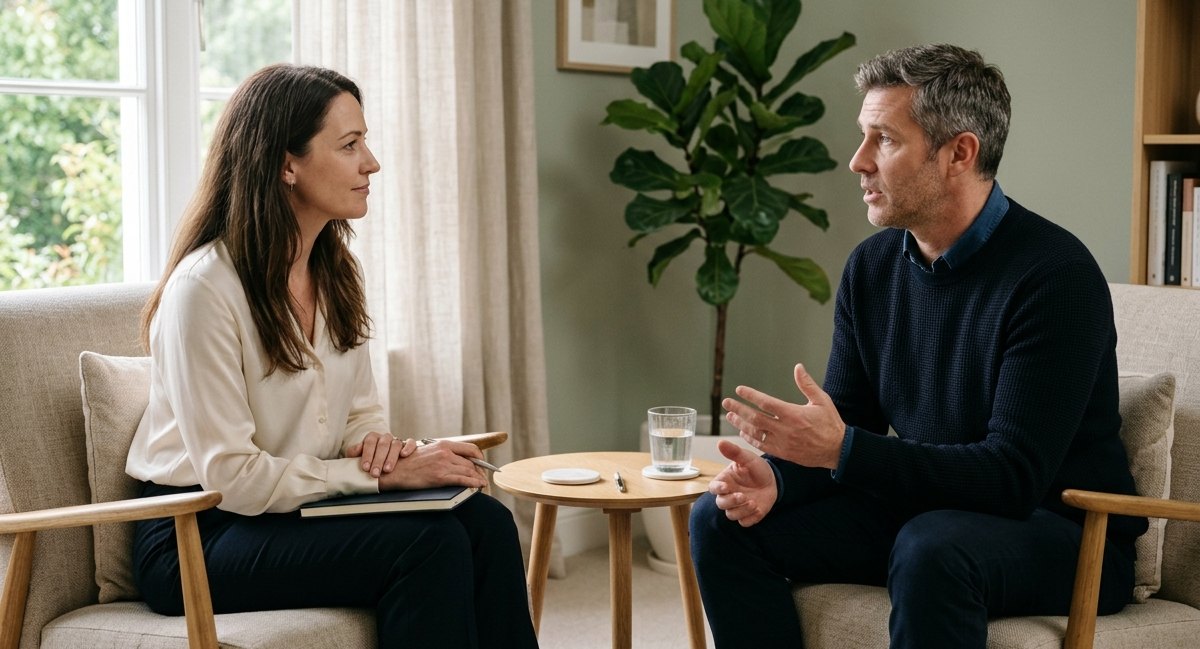
Every session has a structure, but not a script. The client comes with a topic — a specific situation, decision, challenge or question. The coach listens — not only to what is said, but to how it is said, to what is left unsaid, to where the body stops. We ask questions. We name what we notice. We explore assumptions.
At the end of the session, the client leaves with a clearer view of the situation, a concrete next step that makes sense — and with something they discovered for themselves rather than something they were told.
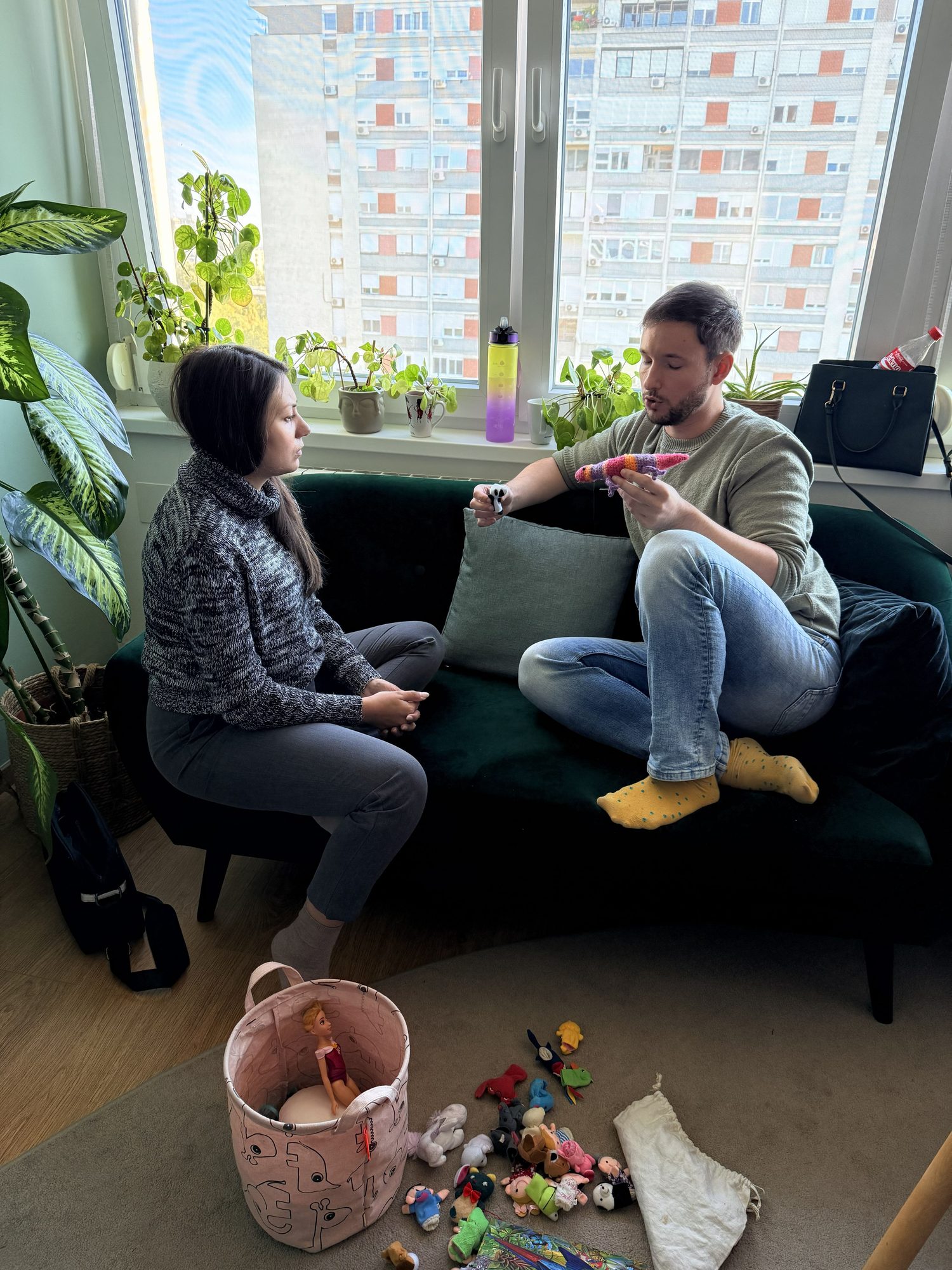
Coaching vs. therapy vs. mentoring
Focus on the present and the future, developing capacity, working with a competent person who wants more.
Focus on the past and on healing, working with a person who needs support in processing.
Passing on the mentor's experience and knowledge; a vertical expert–mentee relationship.
The expert provides solutions and recommendations; the client implements them.
Who coaching makes sense for — and who it doesn't
Ontological coaching: working with a way of being, not only with behaviour
Most development approaches work with behaviour: what you do, how you react, which skills you develop. Ontological coaching goes one step deeper — it asks: who are you, the one who is doing it?
The ontological approach starts from the premise that our way of being in the world — that is, how we perceive, interpret and act — is not fixed. It is not a 'character' we cannot change, but a pattern that can be brought into awareness and transformed.
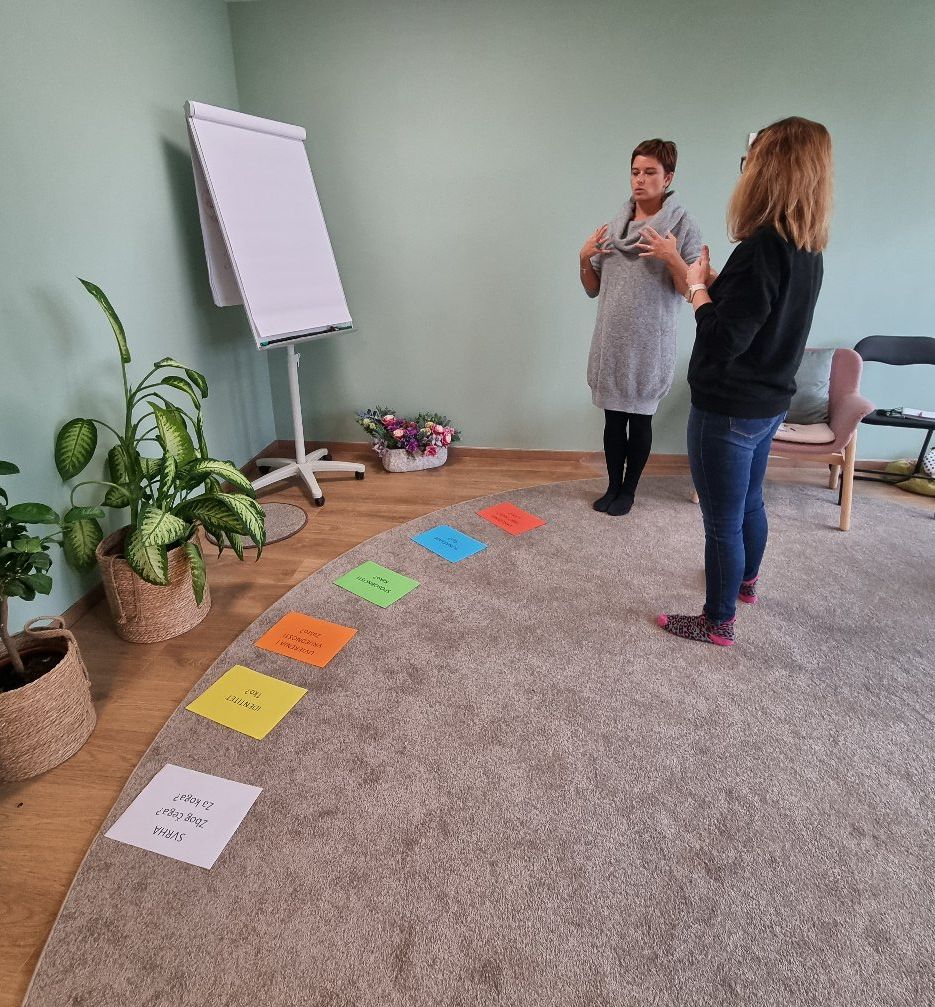
Three dimensions we explore
Body
How do somatics — posture, breathing, tension — reflect and perpetuate our patterns? The body is not merely an instrument of the mind, but an equal partner in every situation.

Mood
Moods are not passing emotions — they are lasting emotional states that open or close spaces of possibility. From a mood of anxiety, we do not see the same options as from a mood of peace.
Language
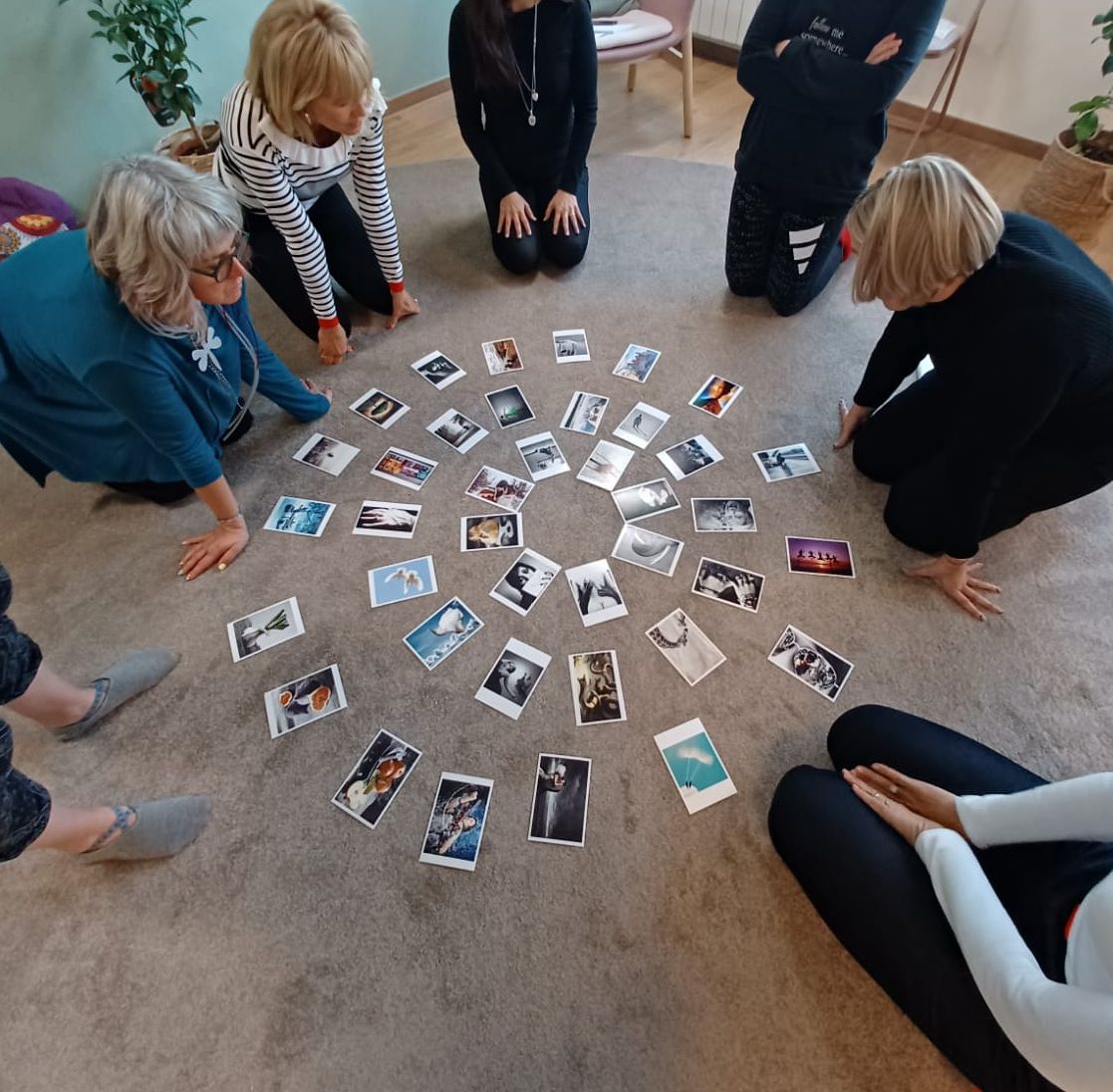
What we say — to ourselves and to others — is not a neutral description of reality. Language creates reality. Every statement, question or story has consequences.
The Observer's perspective
A central concept of ontological coaching is the distinction between ourselves as the Observer and the situation we observe. When we are caught up in a situation, there is no distance. Coaching creates the conditions for stepping back — for looking from a drone's-eye view: from a height that reveals contours we cannot see from the inside.
The client does not change because the coach has convinced them that they should be different. The client changes because they begin to see themselves as an Observer with different assumptions — and discover that they can choose those assumptions.

“Coaching is unlocking a person's potential to maximise their own performance. It is helping them to learn rather than teaching them.”
— John WhitmoreSelf-coaching: when you become your own coach
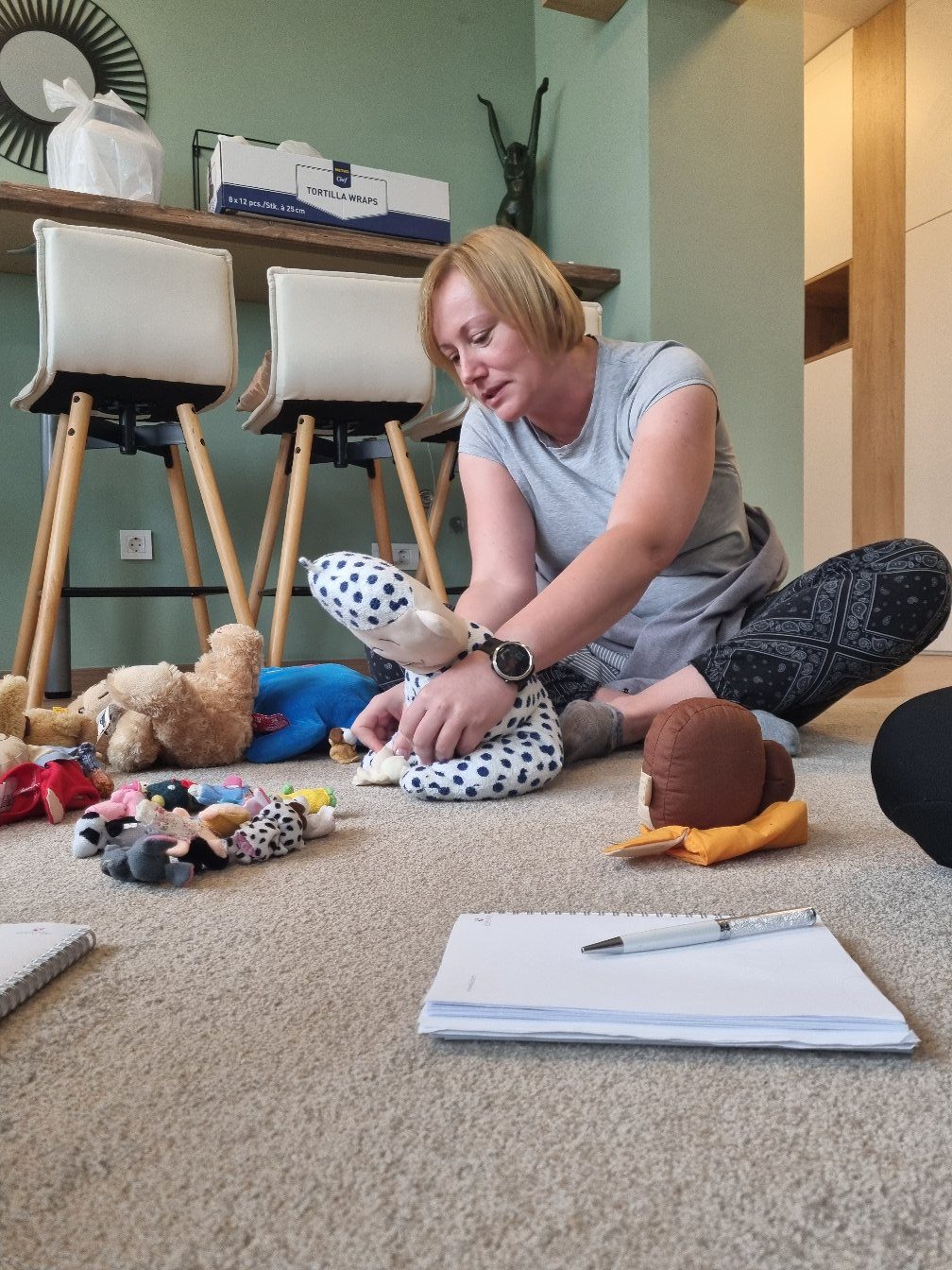
Self-coaching is not self-motivation, nor is it keeping a journal. It is a structured way of asking yourself questions — with the same precision and honesty with which a good coach approaches a client.
The difference is that we become, for ourselves, a conversation partner who does not settle for easy answers. One who notices when we tell ourselves stories that protect us instead of helping us grow. One who stays with an uncomfortable question long enough for something to emerge from it.
What self-coaching is for
Self-coaching as preparation or continuation
Some clients come to individual coaching with an already developed capacity for self-inquiry — and then the sessions go deeper and faster. Others use self-coaching to continue what they opened up in their work with a coach. Both work.
For those who are not sure whether individual coaching is the right step, self-coaching is an excellent starting point. You get to know your own way of thinking, and recognise where you get stuck and what you are really looking for from the process.
Coaching for organisations and leaders
Organisations that invest in developing their leaders and teams through coaching are not buying a motivational programme. They are buying a precise mirror — and space for a conversation that cannot take place within the internal hierarchy.
I work with directors, senior management and HR partners who want to build a coaching culture within their organisations — whether through individual executive coaching, group processes or the training of internal coaches.
Who it is for
Directors and C-level executives in transition
Stepping into a new role, adapting your leadership style, making decisions under uncertainty.
Middle managers in development
Developing an authentic leadership style, leading a team through change, delegation and trust.
HR partners and internal trainers
Developing coaching competencies, building a coaching culture within the organisation.
Teams in change
Group coaching processes that support organisational transformation.
What we do
Accreditations and experience
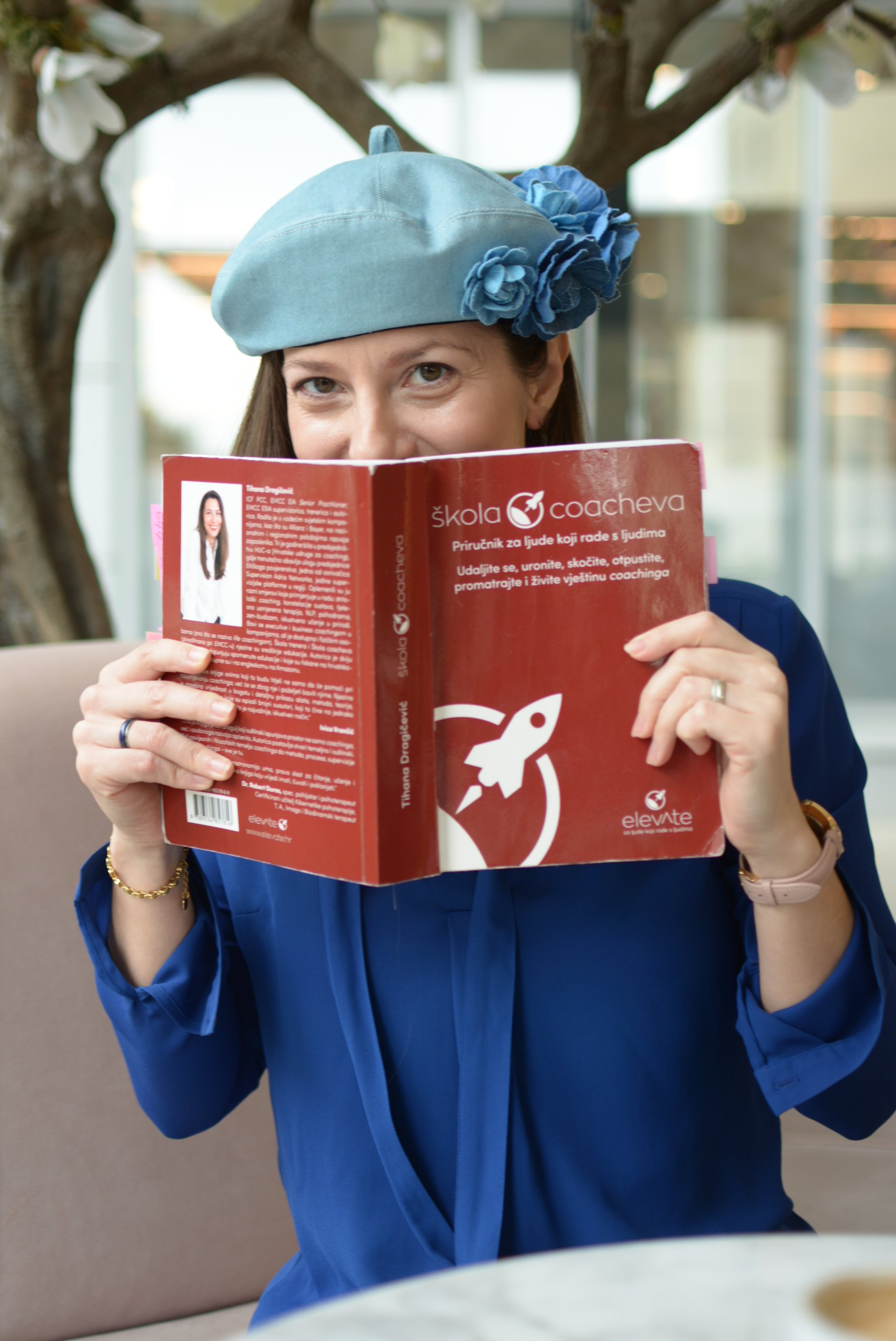
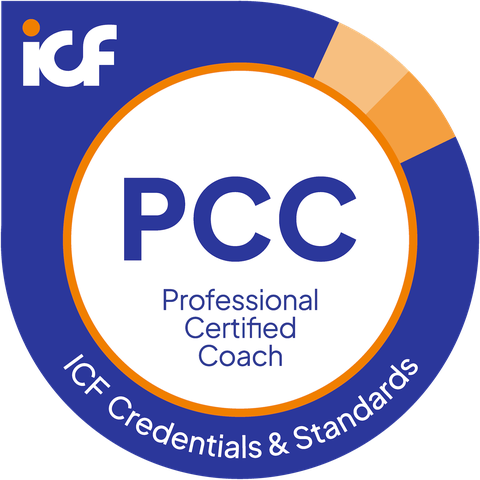
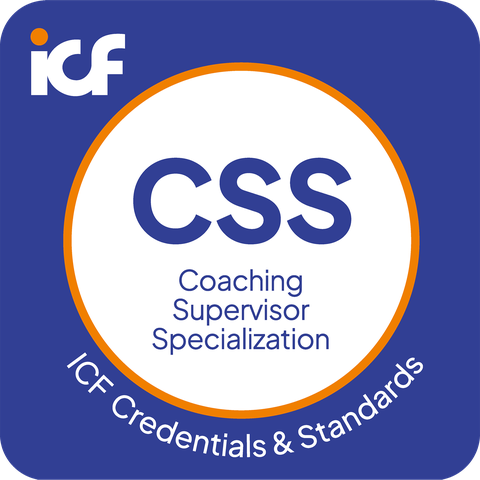
My work is grounded in internationally recognised standards and continuous professional development:
For corporate coaching and organisational projects, write directly to tihana@elevate.hr. An initial conversation about your organisation's needs — no forms, no automation.
Deepen your understanding
Coaching is a subject you can talk about at length and superficially — or briefly and precisely. These episodes are an attempt at the latter.
What coaching really is
An explanation that does not start with a Whitmore quote. What happens in a session, what coaching is and what it is not — and why that difference matters.
Ontological coaching
An introduction to an approach that works with a way of being, not only with behaviour. Body, mood, language — and why this changes more than conventional development methods.
Coaching niches
An overview of different applications of coaching — life, executive, team, career — and how to choose the approach that fits the context.
Ethical standards and coaching competencies
What it means to be a competent coach according to ICF and EMCC standards, and why ethics is not a formality but the foundation of the relationship.
Self-coaching
How to develop the capacity to coach yourself — and when that is enough, and when you need an outside conversation partner.
All episodes are available on the YouTube channel (in Croatian).
What people who have worked with Tihana say
“The coaching trajectory was truly effective, transformational. The structured support, encouragement and practical tools provided by Tihana enabled me to overcome mental and emotional obstacles while significantly improving my wellbeing. The progress on writing my dissertation was visible during the trajectory and even after we finished our coaching conversations.”
“As this was my first coaching experience, I did not know what to expect, but we gradually built a good relationship and successfully defined the problems and the goals I wanted to achieve. In conclusion, I would say that I moved from a phase of helplessness to a phase of action.”
“Through Tihana's guidance, I underwent significant personal transformations and growth. Her mentorship challenged me to confront internal barriers and deepen my self-awareness. Tihana's ability to ask the right questions at the right time fosters deeper insights and encourages both intellectual and emotional growth.”
“Tihana definitely challenged me to confront myself. I have grown into a more skilled coach, but also a more self-aware person. She helped me to set boundaries with other people, in business and in private. I also learned from her how to stand up for myself.”
“Tihana has been my coach, mentor and supervisor. Her approach is both gentle and assertive. She has a unique ability to provide direct insights into what is truly happening and offers real support during transformative processes. Working with Tihana, I always feel 100% supported.”
“Tihana is a very patient and highly motivated mentor and coach. She provided clear explanations of complex concepts and created a safe and encouraging environment where I felt comfortable discussing challenges and exploring solutions without fear. I have noticed significant improvement in working with feedback and in group coaching.”
“Through expertly guided exercises and my own intuitive reactions, I learned a great deal about myself and the ways I function, while at the same time taking in the principles of coaching and observing my colleagues' reactions.”

If you recognise yourself in this
I work with clients who know what they want to explore — or who know that they want to explore something, even when they do not yet know exactly what. Clients who are ready to enter a serious process, without shortcuts.
Coaching is not for every phase or every context. But when the time and the context are right, there is no more effective tool for development.
If you recognise yourself in what you have read, get in touch. The initial conversation is free of obligation — and free of forms.