
If your only tool were
the skill of asking questions —
would you know how to wield it?
Professional coaching education that transforms the way you understand people — and yourself. 100 hours of intensive, practical work that can be applied to almost every area of life. With a built-in pathway to individual international EMCC EIA accreditation for those who want to go further and become a fully fledged coach. This programme is delivered in Croatian.
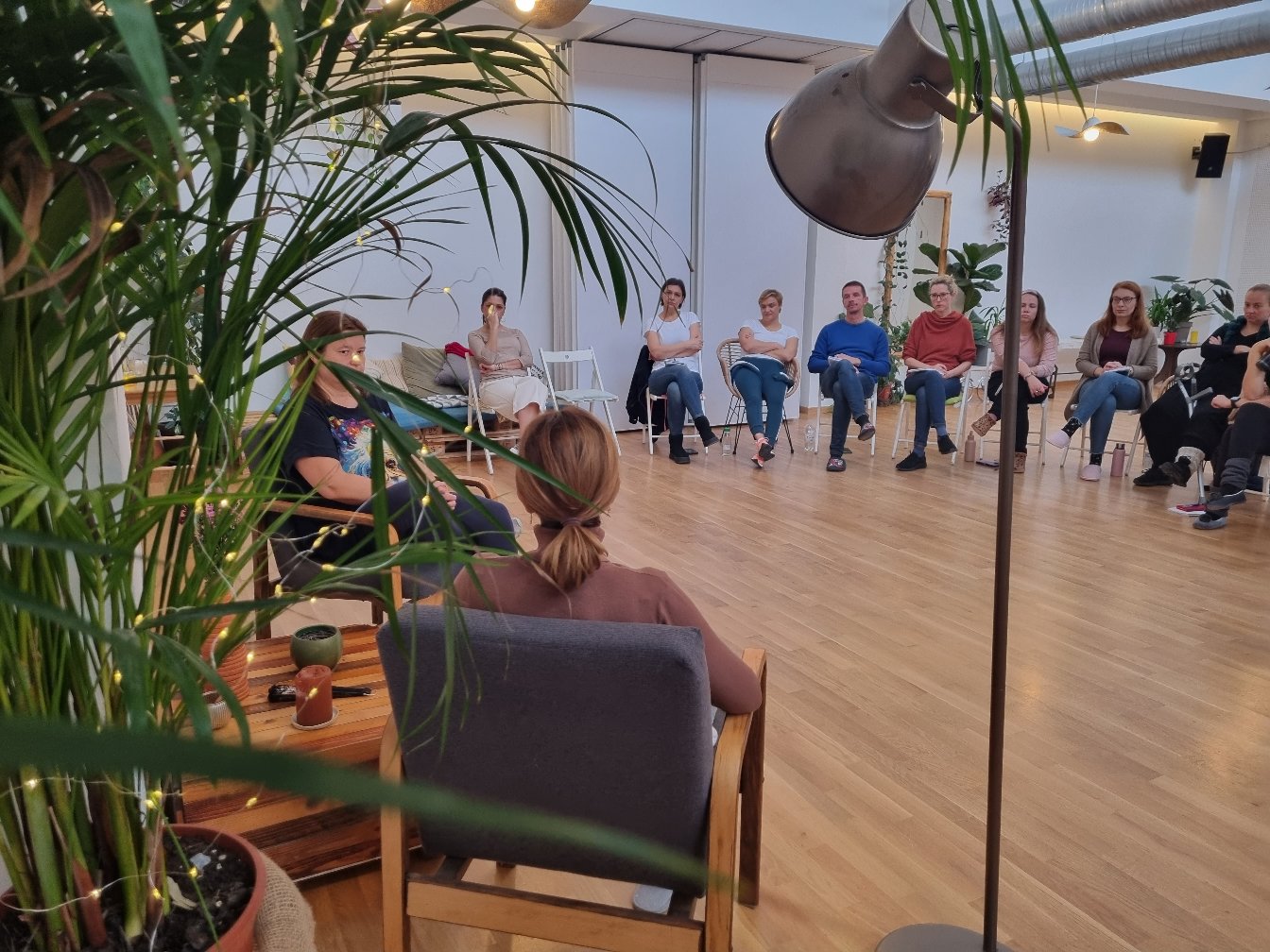
An experience that can't be described —
but we can show it.
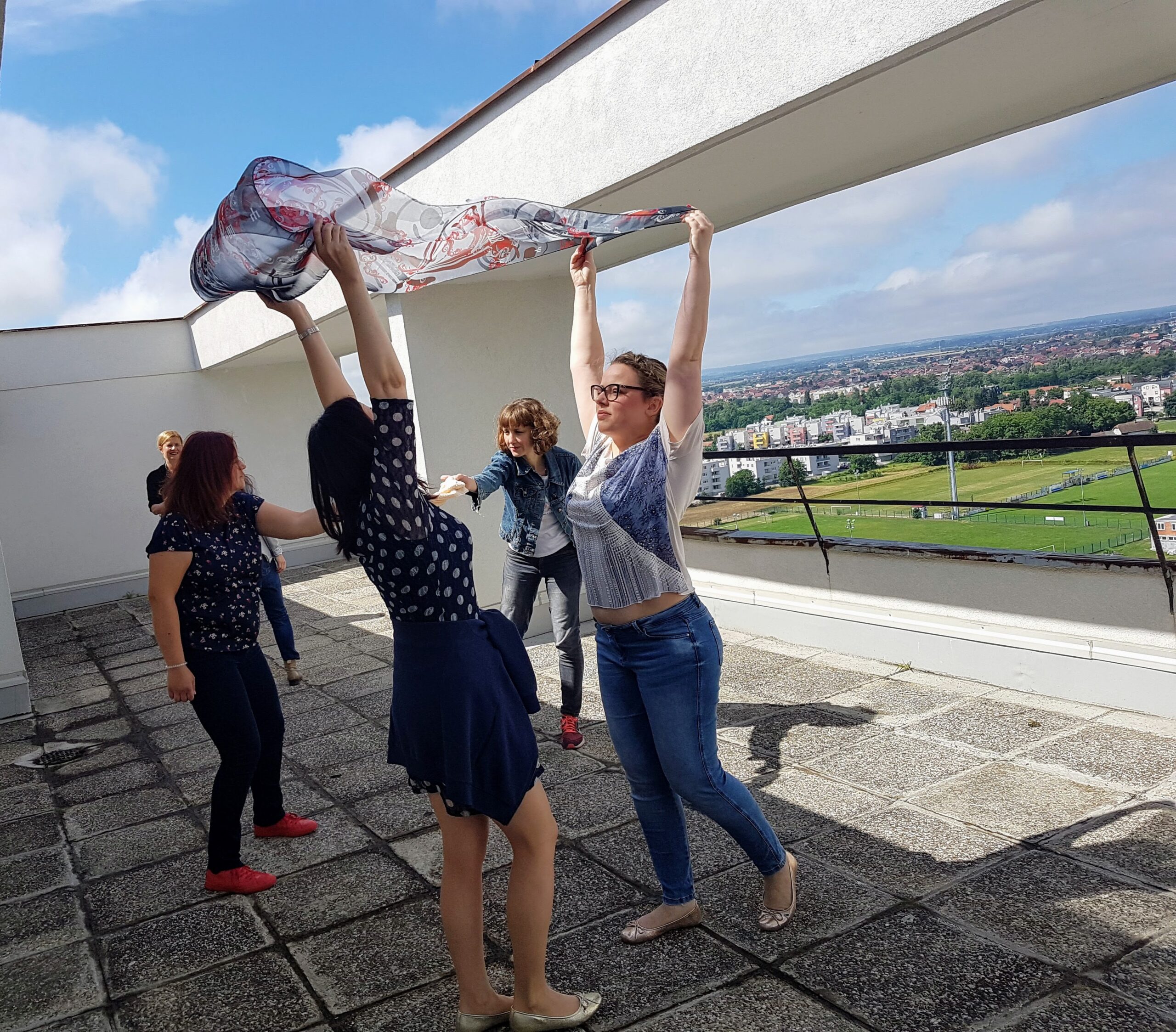
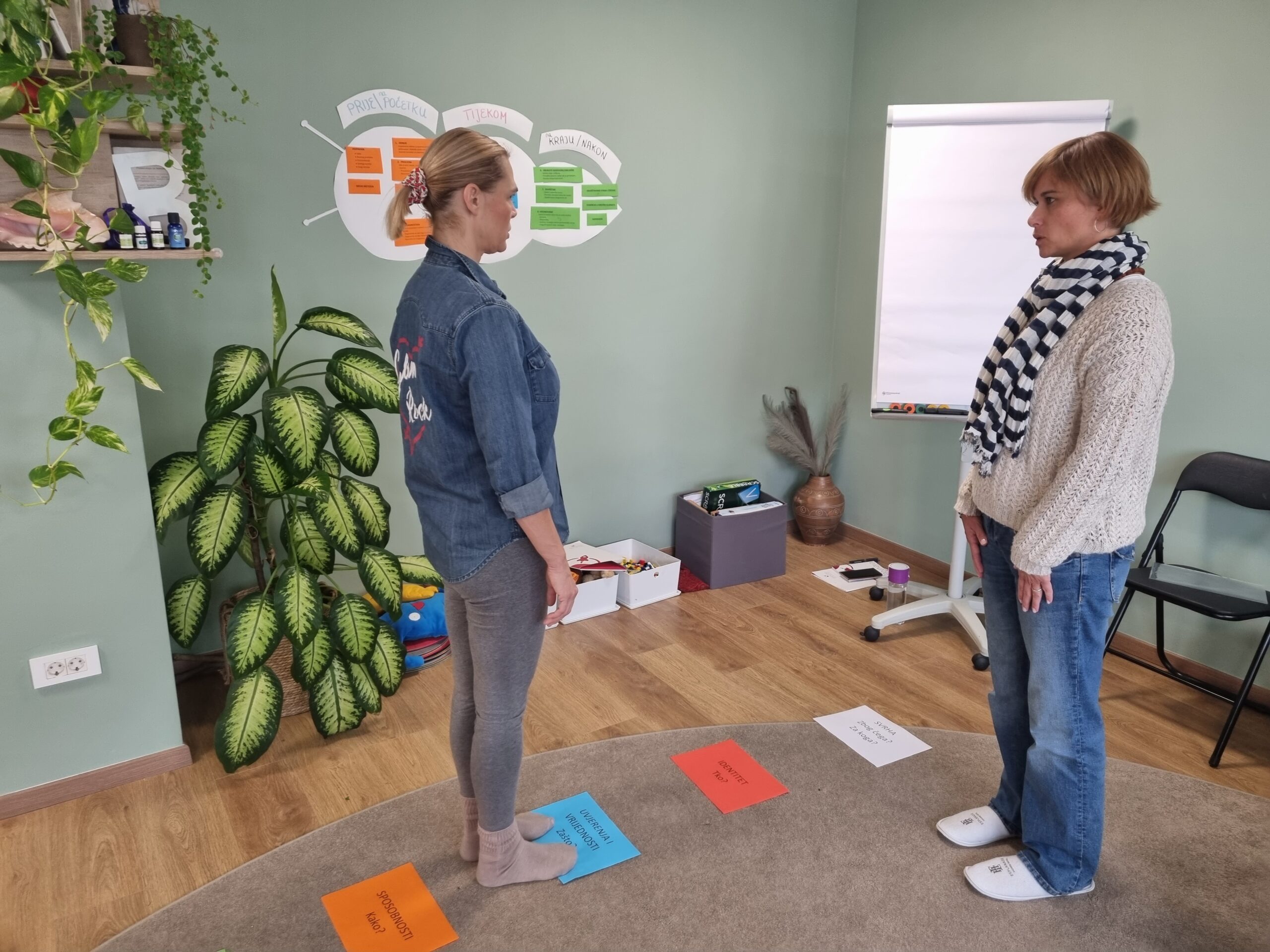
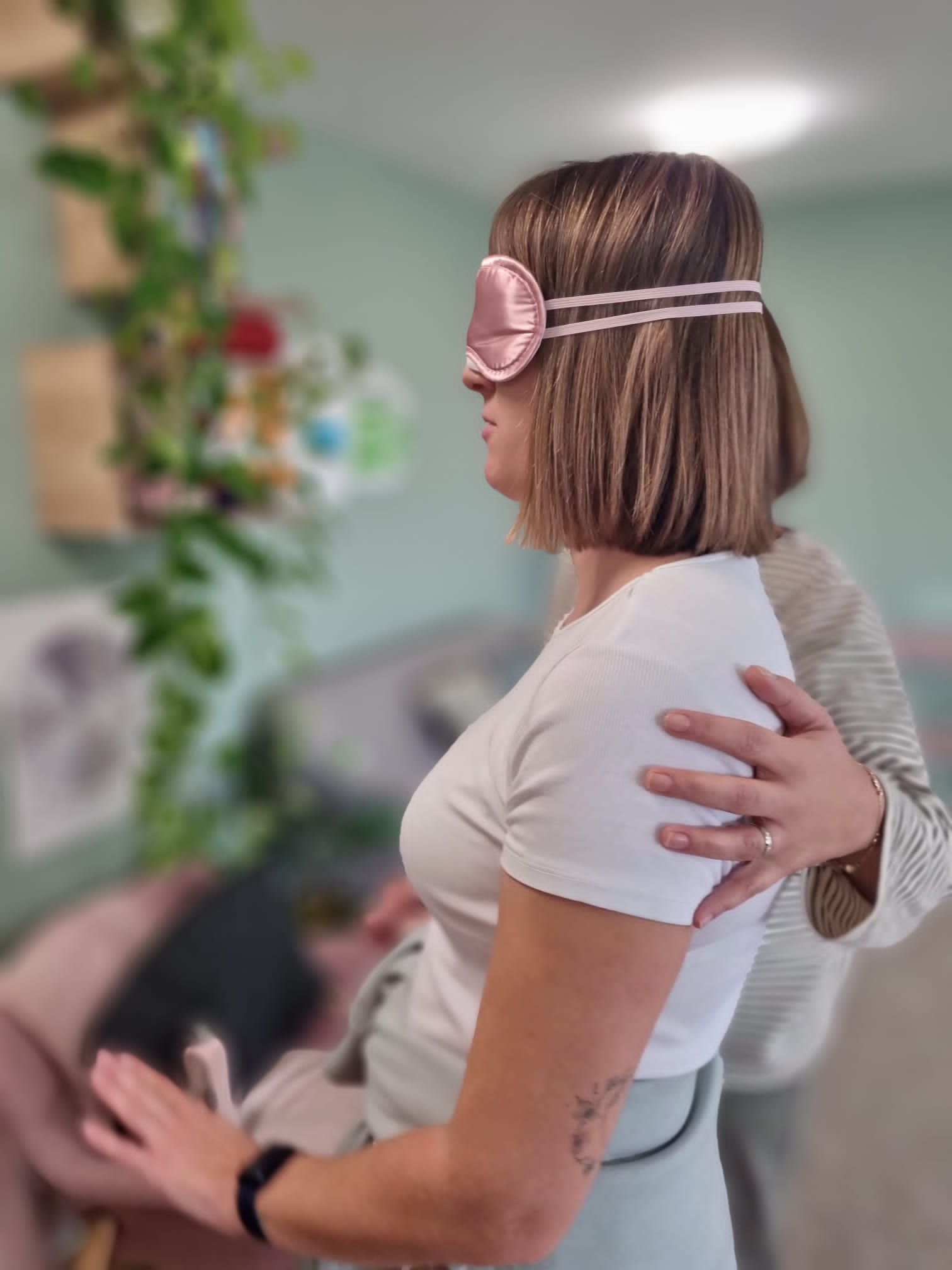
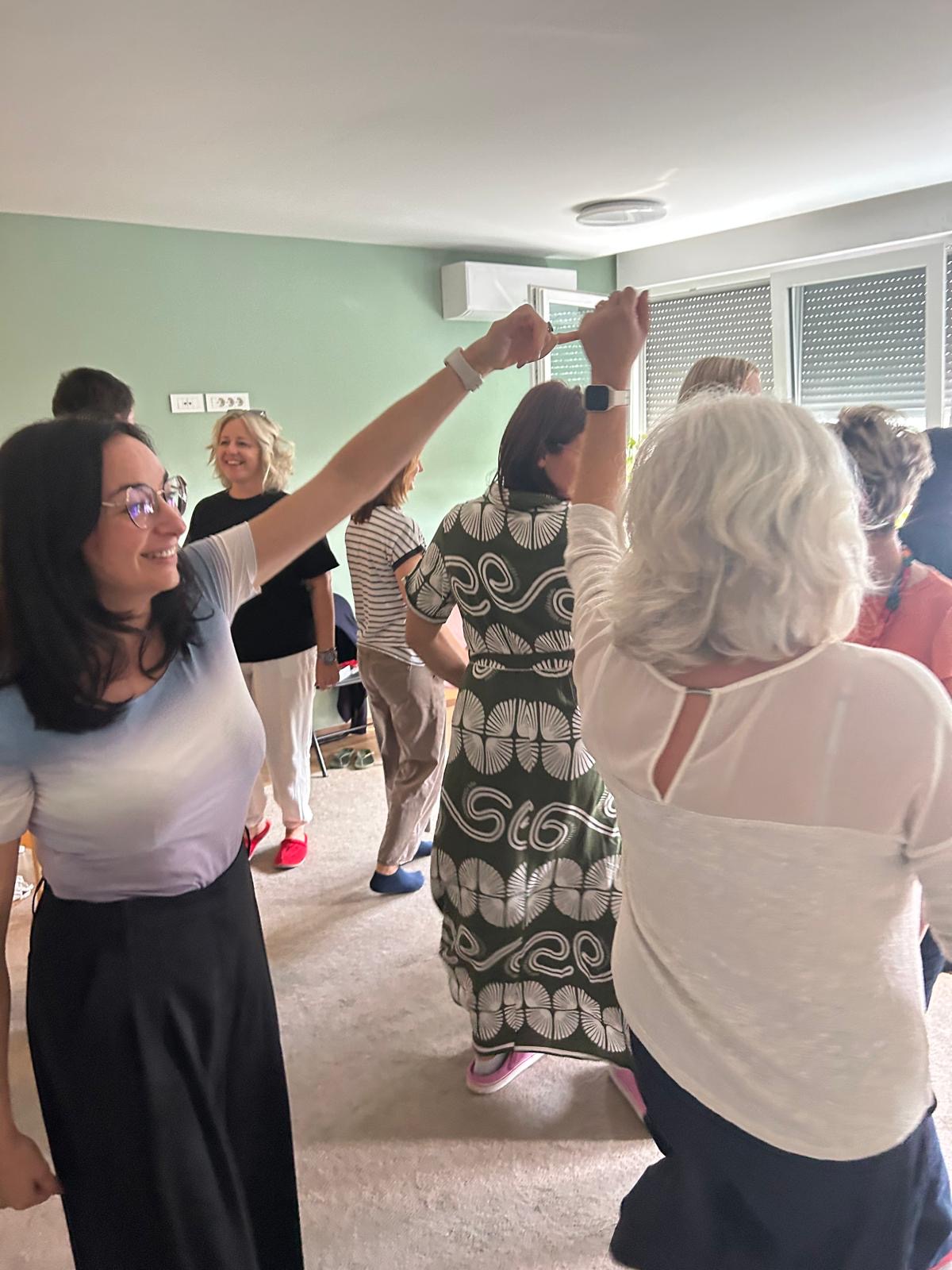
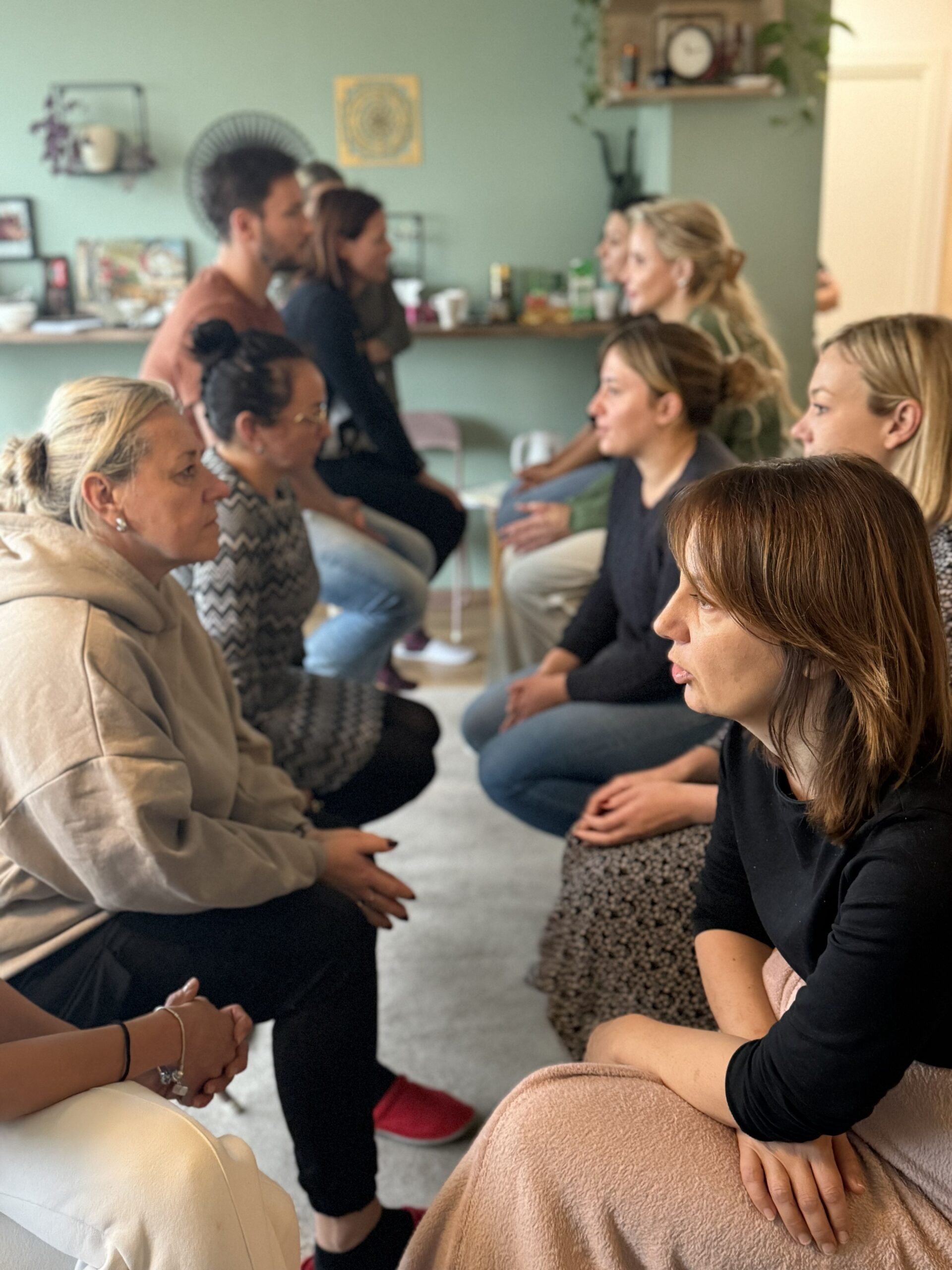
“I didn't know what to expect. I only knew that when it was over, I didn't want to go back to the way things were before.”
Participant, School of Coaches 2024There are many reasons to stay where you are.
One question can change them all.
Coaching is nothing new. But good coaching education — the kind that genuinely gives you a new perspective rather than just a certificate — is rare. School of Coaches has existed since 2010 — first in the Netherlands, and since 2017 in Croatia as well — and it has one single ambition: to give you tools that work, learning through the whole body, an experience that stays with you and a community that carries you.
Skills you can use straight away
By the second module you are already leading a coaching conversation — under supervision, with feedback. By the end, you have 10 completed sessions behind you.
Your method, not someone else's template
50+ techniques and tools. You decide what to integrate. Your coaching identity is authentic, not a copy of your trainer.
International accreditation
EMCC EQA is not just another acronym — it is independent confirmation that the training meets a global quality standard specifically in coaching (and mentoring), not in other fields — a distinction that is often blurred and confuses prospective participants. It is renewed every 5 years.
The only one of its kind in Croatia
The only coaching education in Croatia with individual EMCC EIA accreditation built in for participants. It saves participants time and paperwork.
Meta-training
You are participant, client, coach and supervisee at the same time. Systemic insights.
Self-coaching as an imperative
You cannot work on others until you have first stumbled over yourself. Working on yourself starts straight away, with assignments before the training.
Coaching is not advice.
It is not therapy.
Could you explain what coaching is if someone asked you? Coaching is a profession surrounded by misconceptions. Some think it is a motivational speech. Others, that it is bad psychotherapy. Others still, that it is reading tea leaves. None of this is true — and it is precisely because of these misconceptions that many people who would benefit from a coaching process never find their way to it.
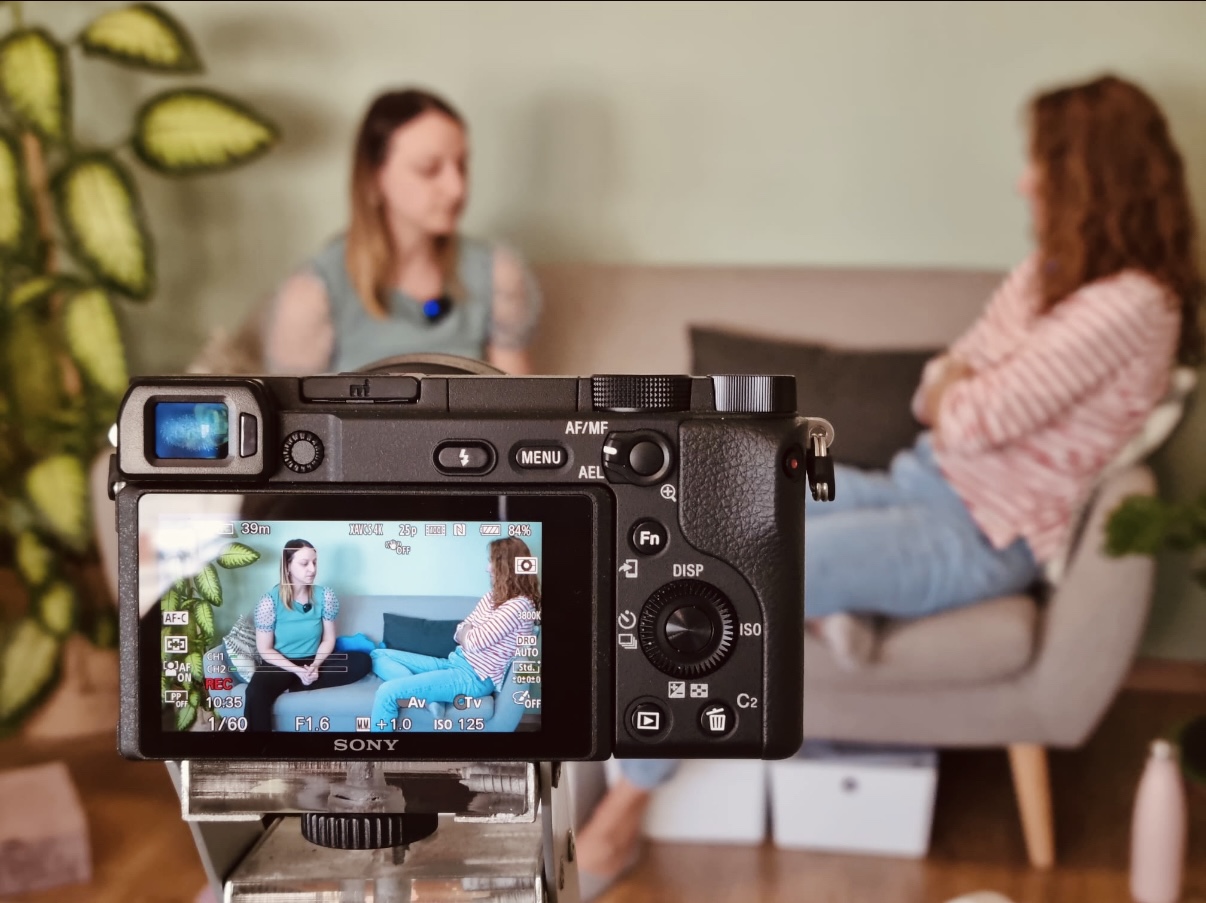
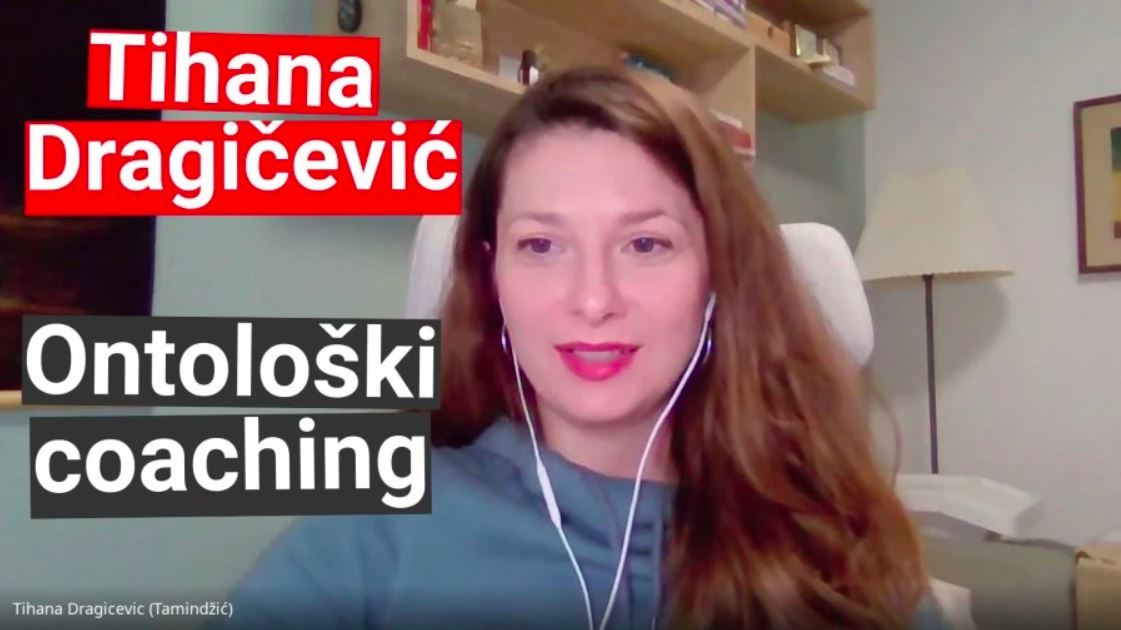
If you want to know what coaching actually is — and how it sounds in practice — listen to Tihana's podcast, where she explains it without jargon (in Croatian).
EMCC accreditation —
a global standard that opens doors
The European Mentoring and Coaching Council (EMCC Global) is one of the world's leading organisations in coaching. Its EQA (European Quality Award) is not a marketing certificate — it is an independent quality review of the programme by an international professional body.
This means the curriculum has undergone a thorough review to ensure it is aligned with current standards, coaching competences and the ethical standards of the profession.
School of Coaches has held this award at Foundation and Practitioner level since 2018.
School of Coaches is the only coaching education in Croatia with individual EMCC accreditation (EIA) built in — participants who continue to School of Coaches 2 leave with international accreditation, without separate bureaucratic procedures.
We have been watching since 2010, and experience tells us these groups benefit most
Managers and leaders who lead people
A coaching approach changes the way you lead teams. Instead of giving answers, you ask questions that unlock potential. Organisations that understand this pay for this training as an investment, not a cost.
HR professionals and consultants
If you work with people professionally — in development, selection or counselling — coaching skills are not an add-on to your job. They become its foundation. Clients feel the difference immediately.
Psychologists, therapists and counsellors
The coaching structure differs from a therapeutic approach. It complements the way you work and opens up work with clients who don't need therapy, but do need to move forward.
Entrepreneurs and business owners
A better understanding of yourself, your own patterns and your dynamics with partners and colleagues carries straight over into business decisions. Many participants say School of Coaches changed both their personal and their business relationships and decisions.
Future professional coaches
If you are considering coaching as a profession — on its own or alongside another job — School of Coaches 1 is your first, but serious, step. Accredited, practical, and with a clear continuation towards EIA accreditation.
Those who want to grow
Some participants come without a clear business reason. They come because they feel they have stalled — or because they want to understand how they function, what drives them and where their energy goes. That is a legitimate and commendable reason.
Those changing careers
If you feel you have outgrown the path you have been on and are looking for a new direction that makes sense — coaching is not just a new skill. It is a new perspective for reading yourself and the possibilities around you. Many participants in this transition find not only a tool, but a new calling.
Young people looking for direction
You are not too young for coaching — you may have arrived at exactly the right time. If you are just building your professional identity and want to know what it means to work with people in a meaningful way — School of Coaches 1 gives you a framework, skills and a community that stays with you long after the last module.
What makes School of Coaches
different from everything else on the market?
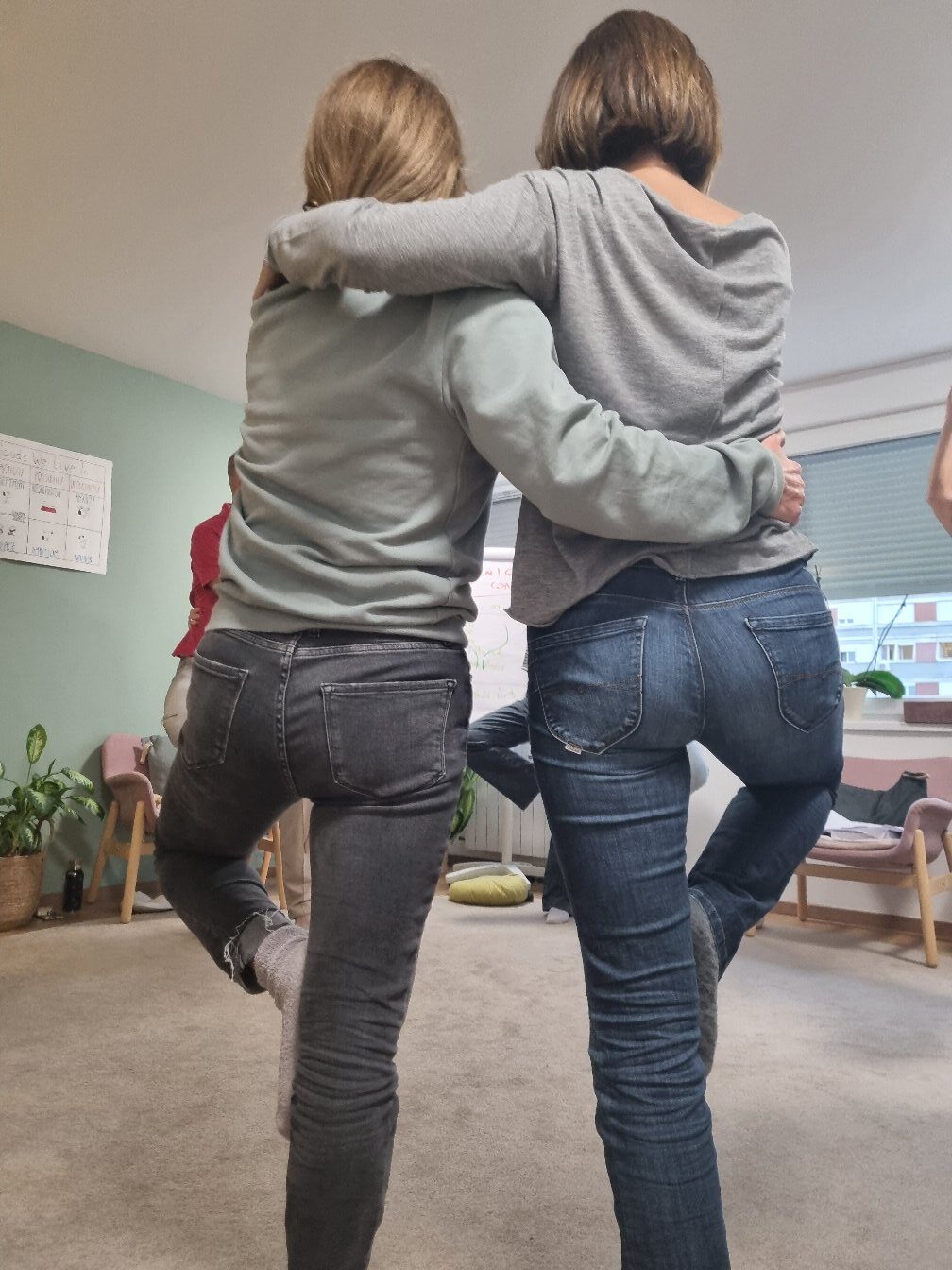
The body is not decoration — it is how we learn
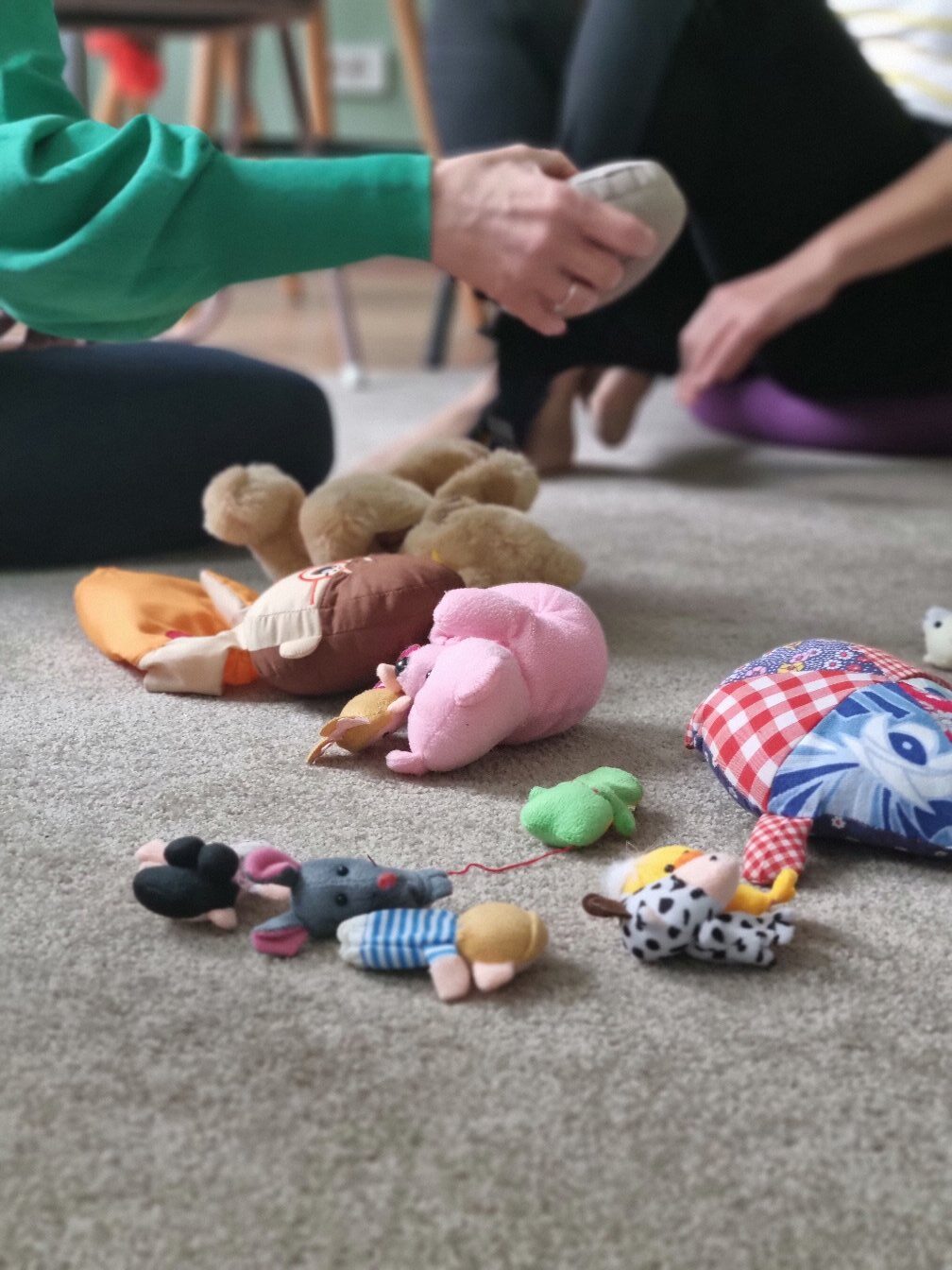
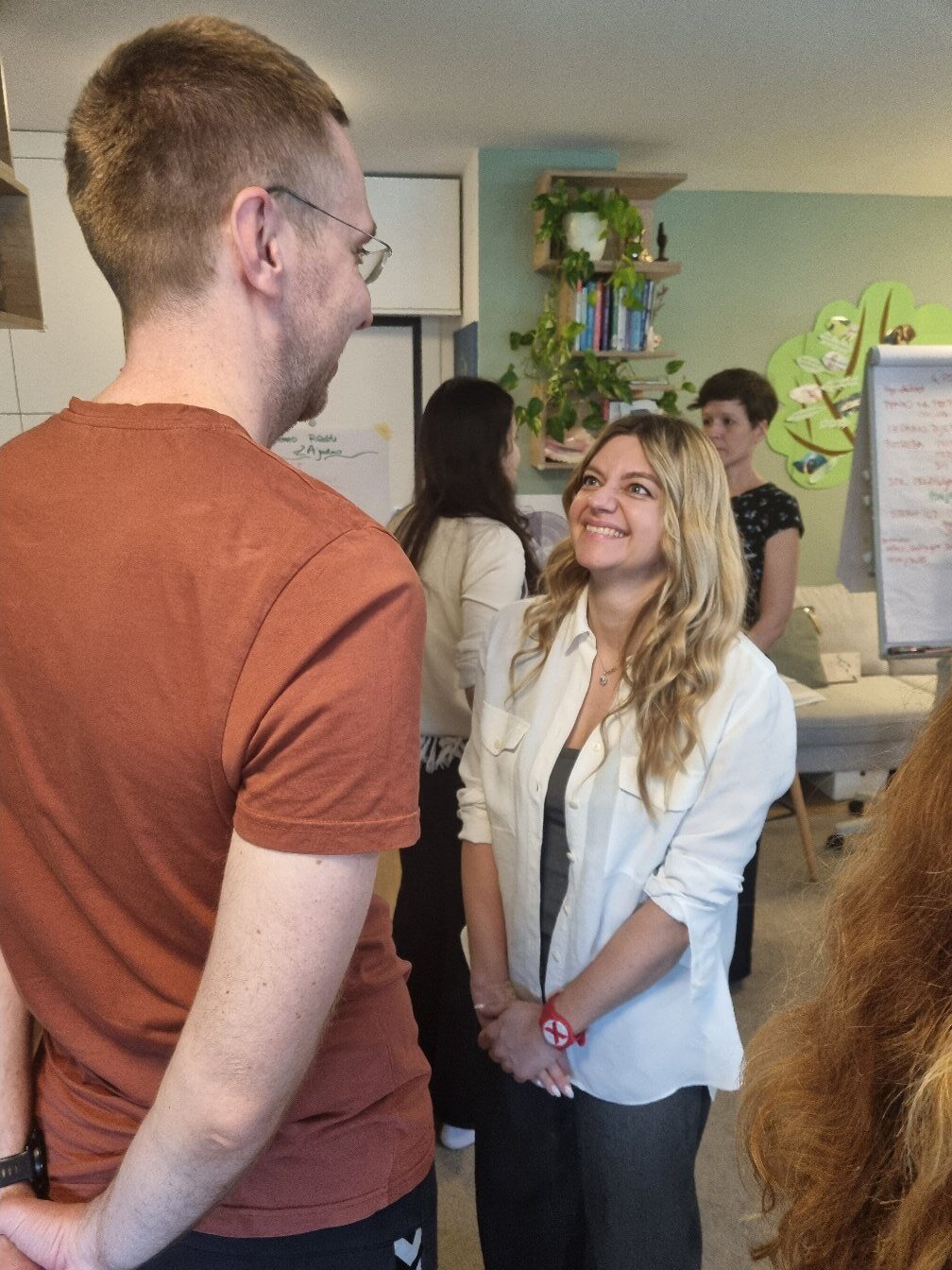
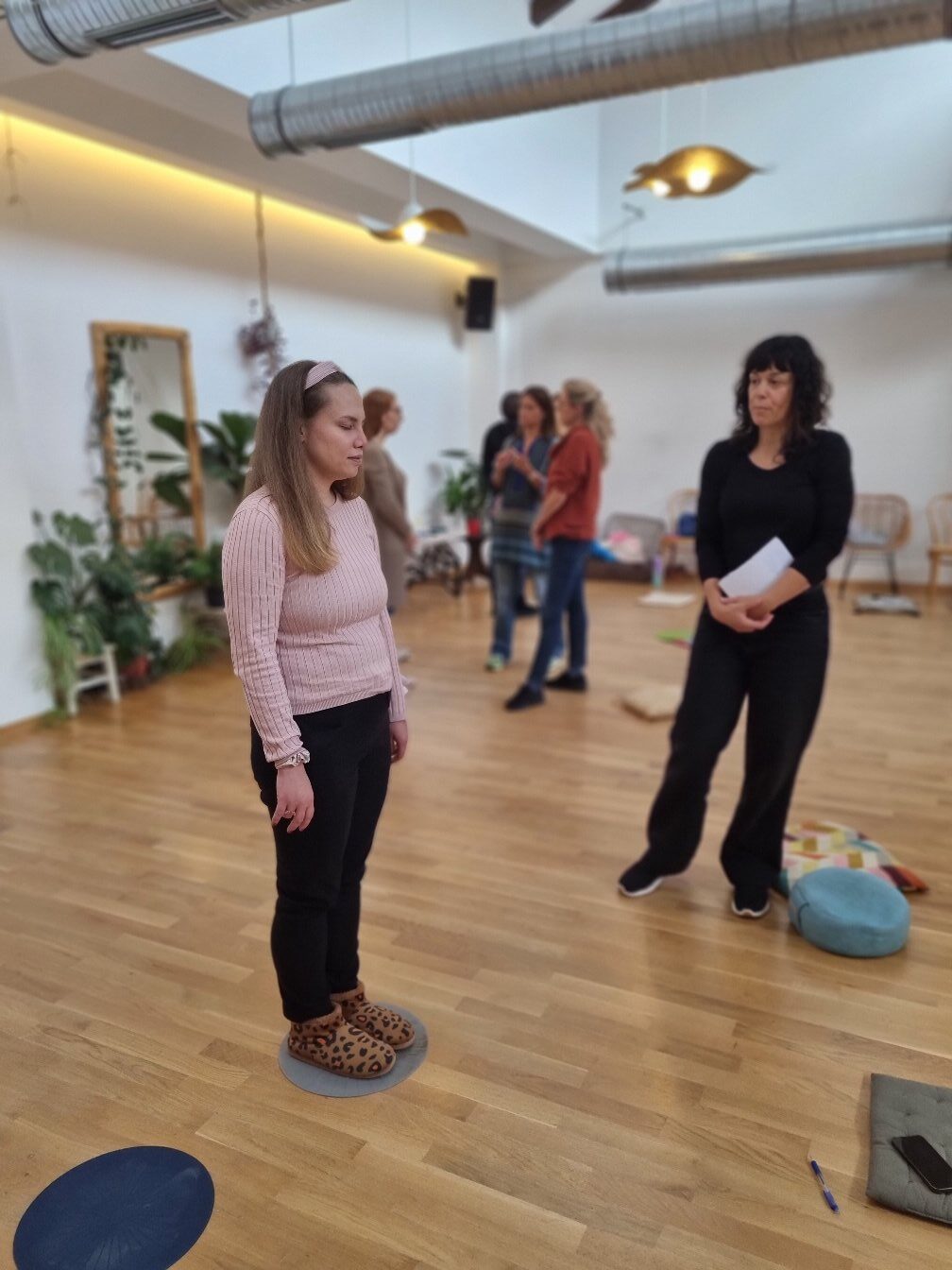
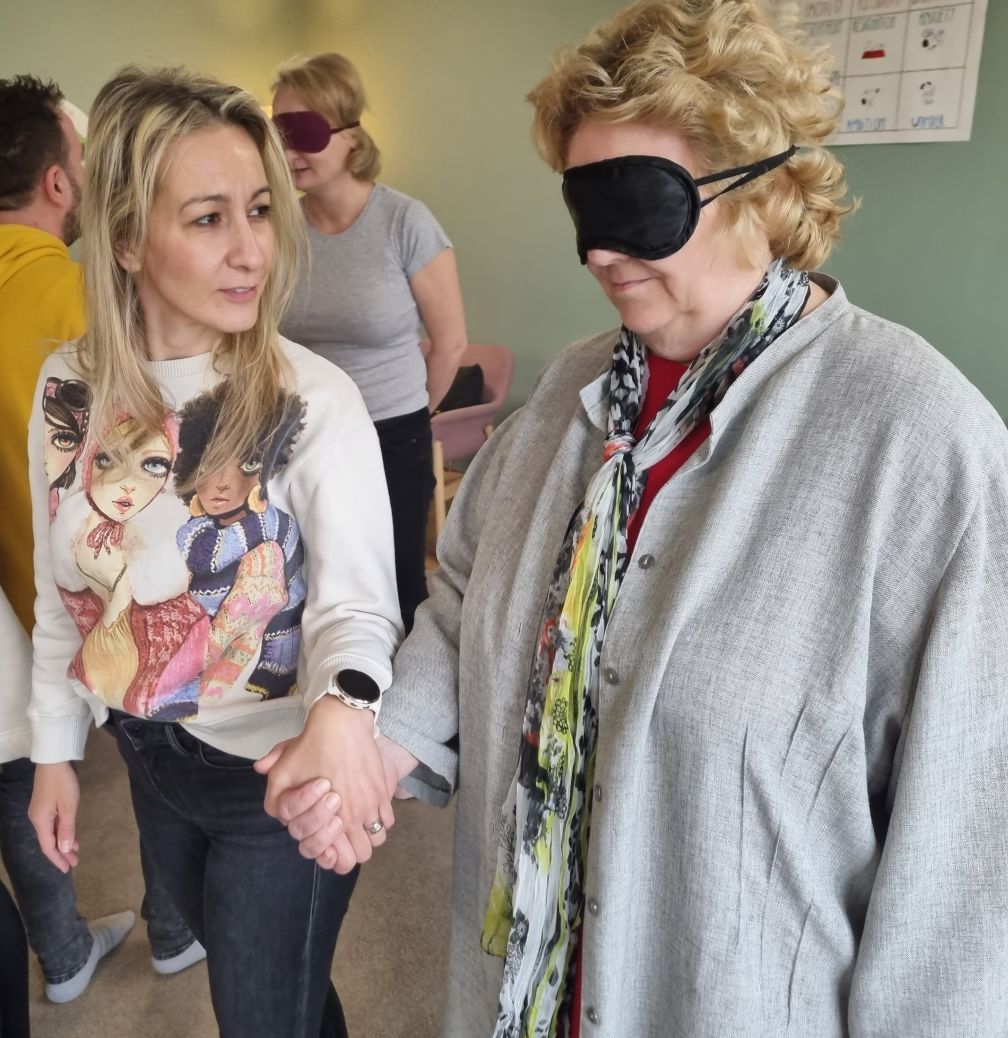
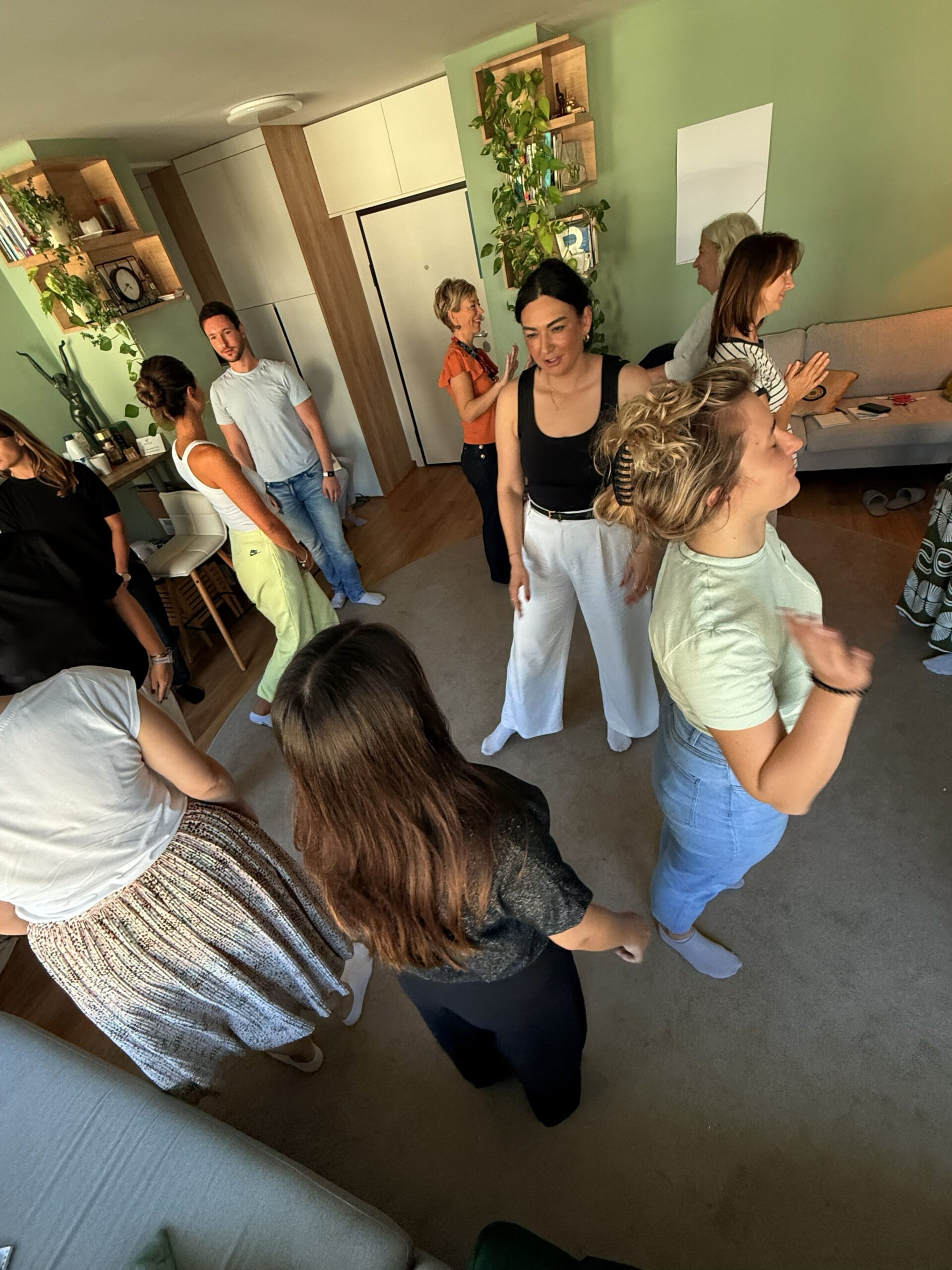
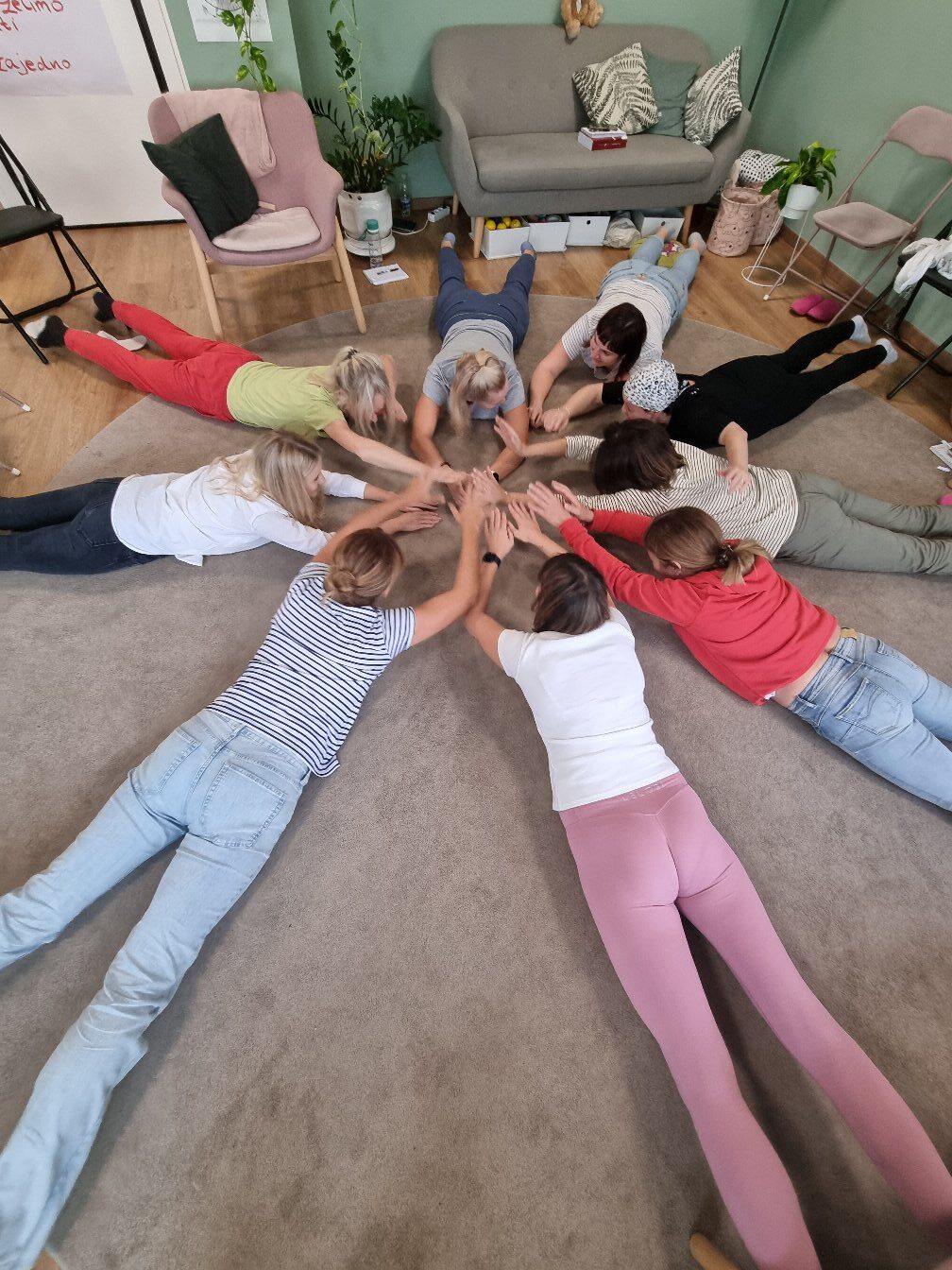
Every coaching concept is taught on three levels: through movement and physical experience (embodied), through theoretical background and through immediate practice. In that order. This makes learning dynamic and enjoyable, and even the most challenging concepts move very quickly from knowing to understanding. Because they are lived before they are practised.
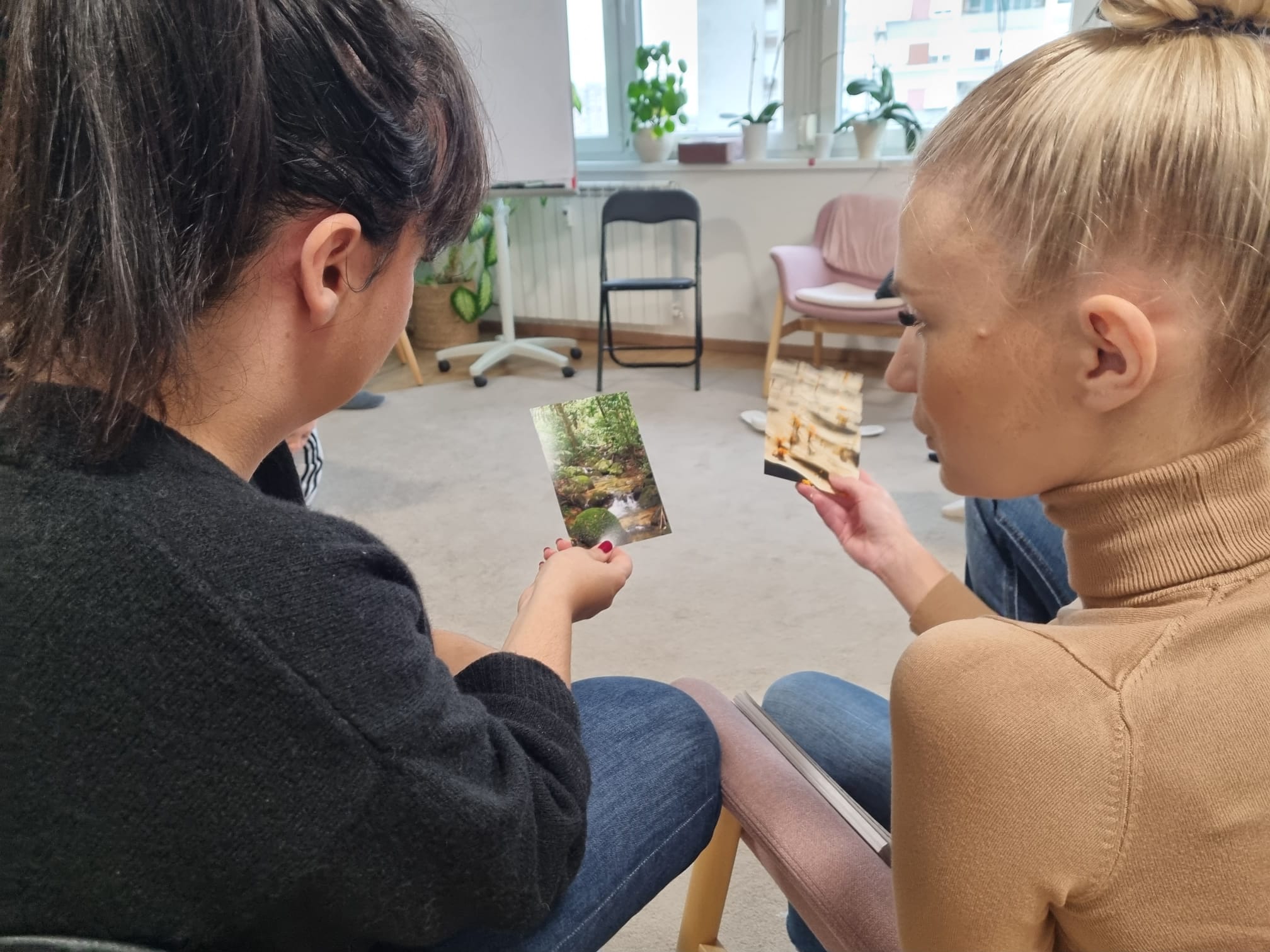
Meta-training
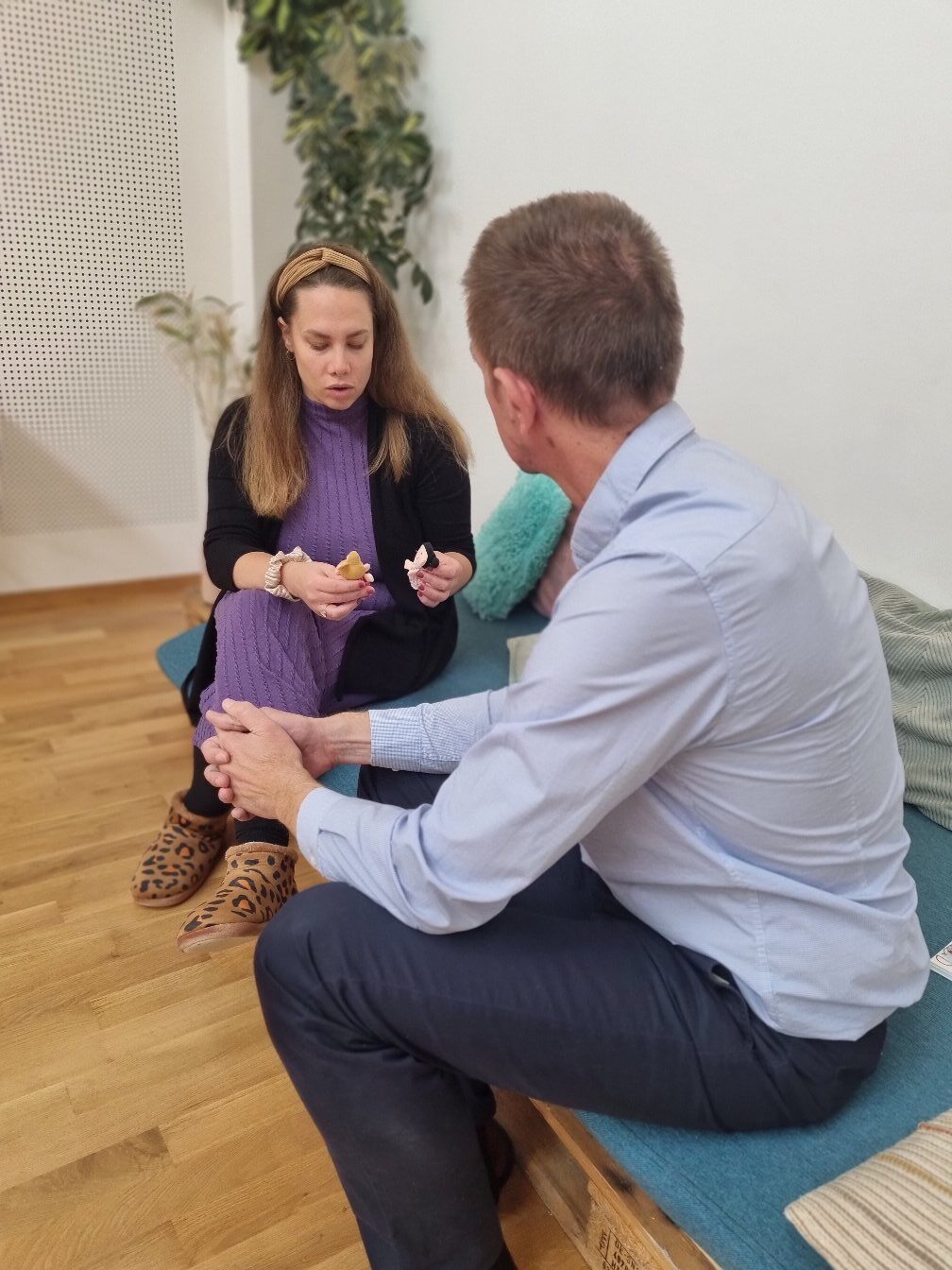
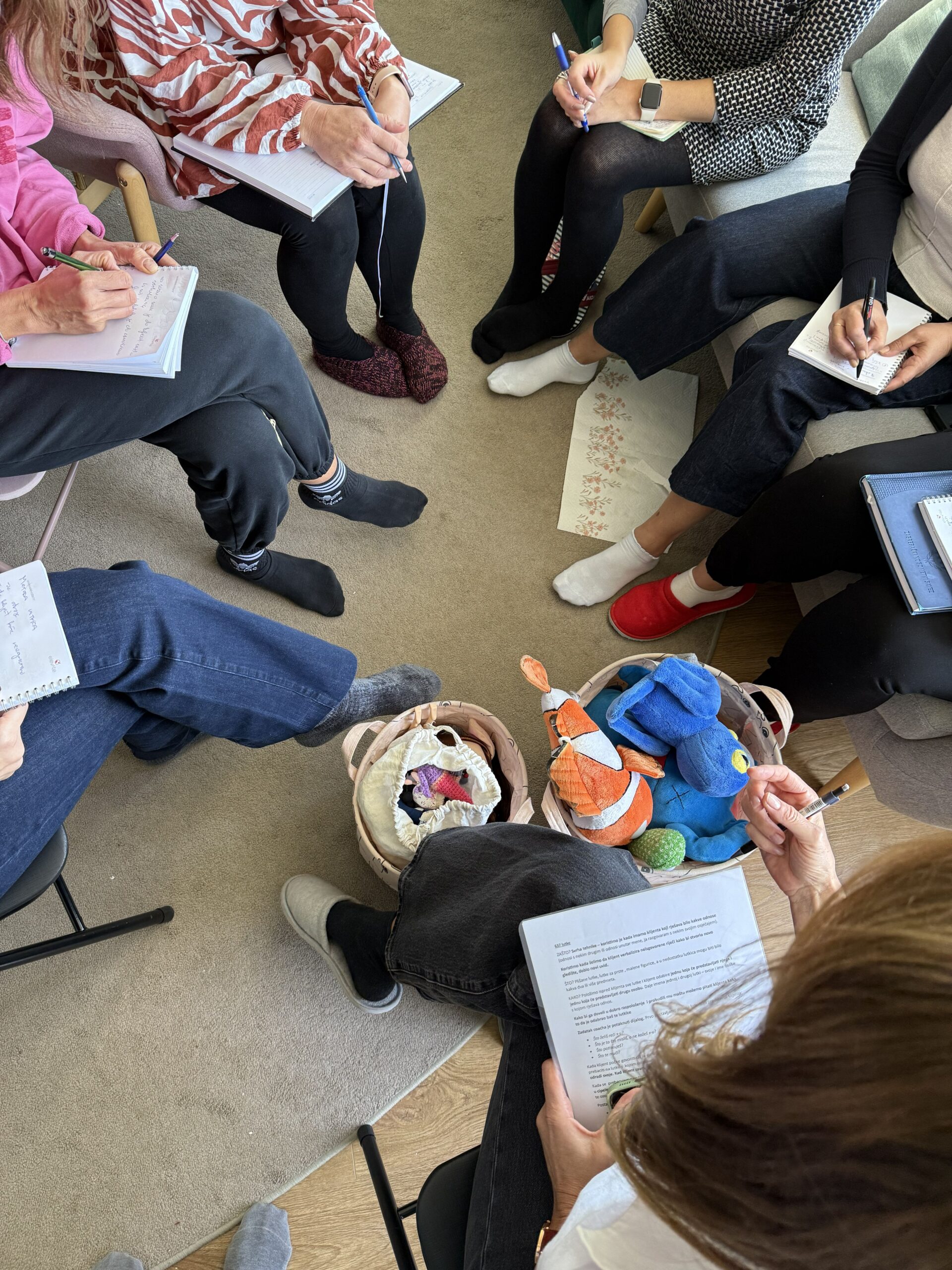
You are coach, client, peer supervisor and participant at the same time. You learn on at least three levels at once — through your own reflection on your work, peer supervision with others, and coaching sessions as a client. Each role deepens your understanding of the others. This is not a metaphor — it is the structure of every day of the programme.

Your identity as a coach, not a copy of a template
You get a rich choice of tools and techniques — from classic to modern and digital — and you choose what to integrate into your personal method. The rule is: try it first, and only then reject it — with an argument. A skill becomes yours only through practice. Because you never know what kind of client will walk through the door. If all you have is a hammer, everything looks like a nail. That is why we insist on developing your own Coaching Method.

Self-coaching and the Observer
The Observer is your ability to step back from your own story and look at the situation from above — like a drone that sees the whole picture, not just the detail in front of it. Coaching others begins with coaching yourself. We cannot begin to see and understand other people until we look at ourselves — at our own patterns, assumptions and blind spots. Self-coaching is not an exercise. It is a prerequisite.
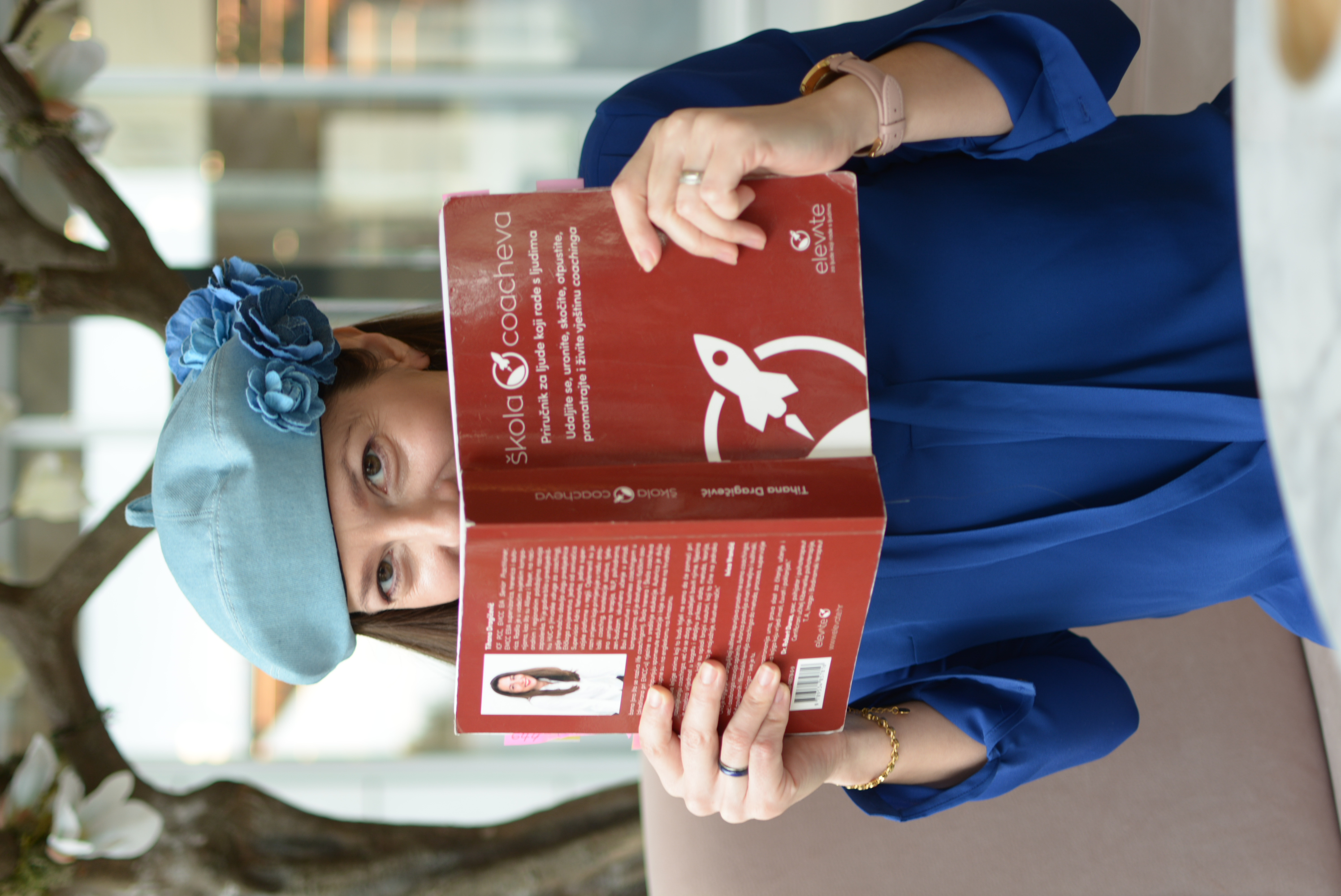
The School of Coaches handbook
At the start of the programme, every participant receives the handbook Škola coacheva (School of Coaches, Croatian edition) — 730 pages on the psychological, philosophical and neurobiological background of coaching. More than 50 techniques, testimonials and practical tips. It is not an introduction to coaching — it is a comprehensive handbook for people who work with people. It stays with you long after the programme ends.

730 pages of coaching —
all in one place.
“Theory without practice is frivolous; practice without theory is dangerous.” The handbook Škola coacheva (School of Coaches) grew out of Tihana's many years of practice as a coach and supervisor, and out of her experience of running School of Coaches in the Netherlands and Croatia.
It was not written as an introduction to coaching. It was written as a comprehensive, multidisciplinary handbook for people who work with people — grounded in ontological coaching, with techniques, testimonials and practical advice.
Every School of Coaches participant receives a copy at the start of the programme. The book accompanies the process — and stays with you after the programme ends.
More about the book →What exactly do you get
at the end of School of Coaches?
“It was worth every penny” — something we hear again and again. Here is what lies behind it.
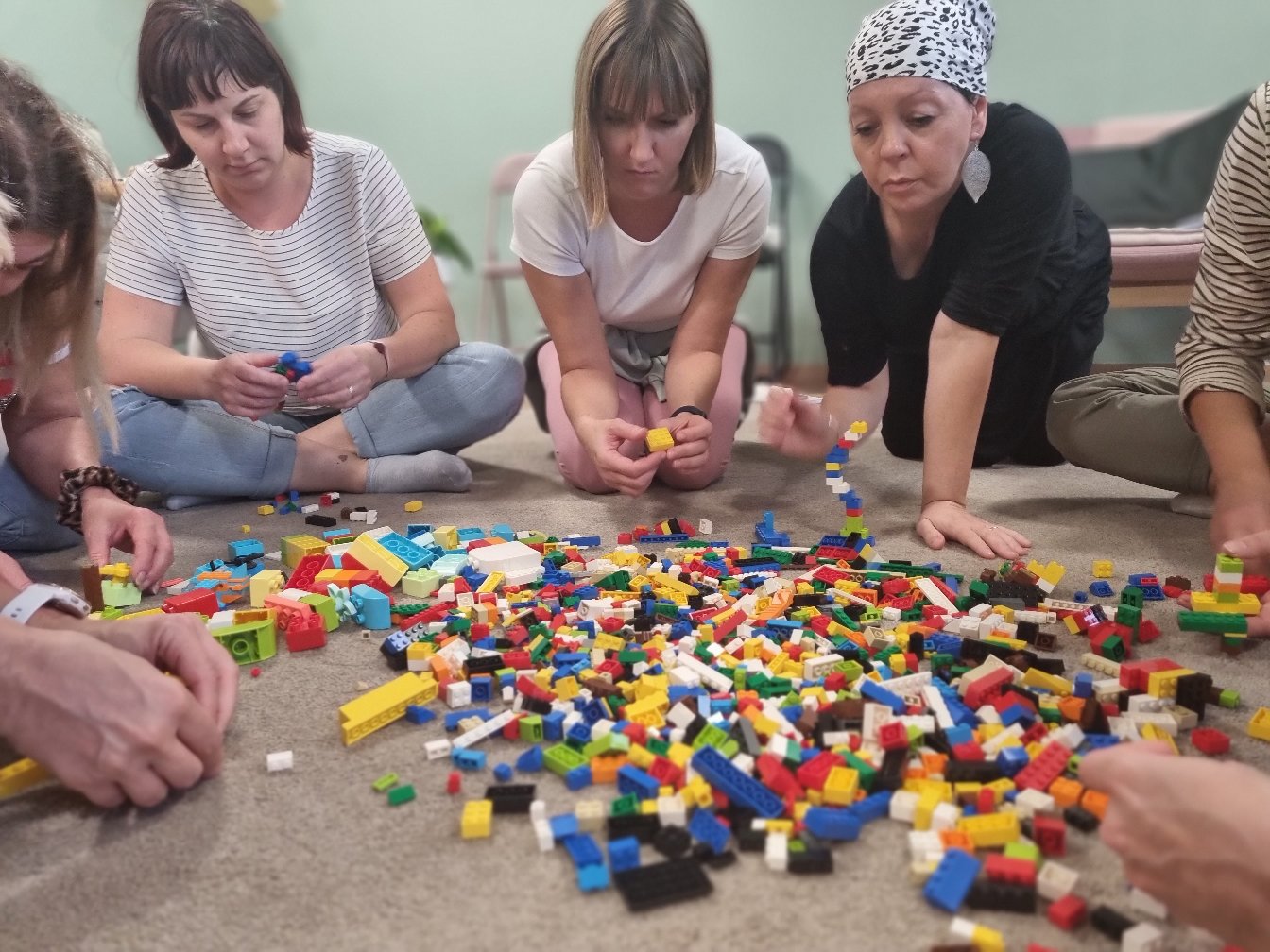
What does School of Coaches look like from the inside?
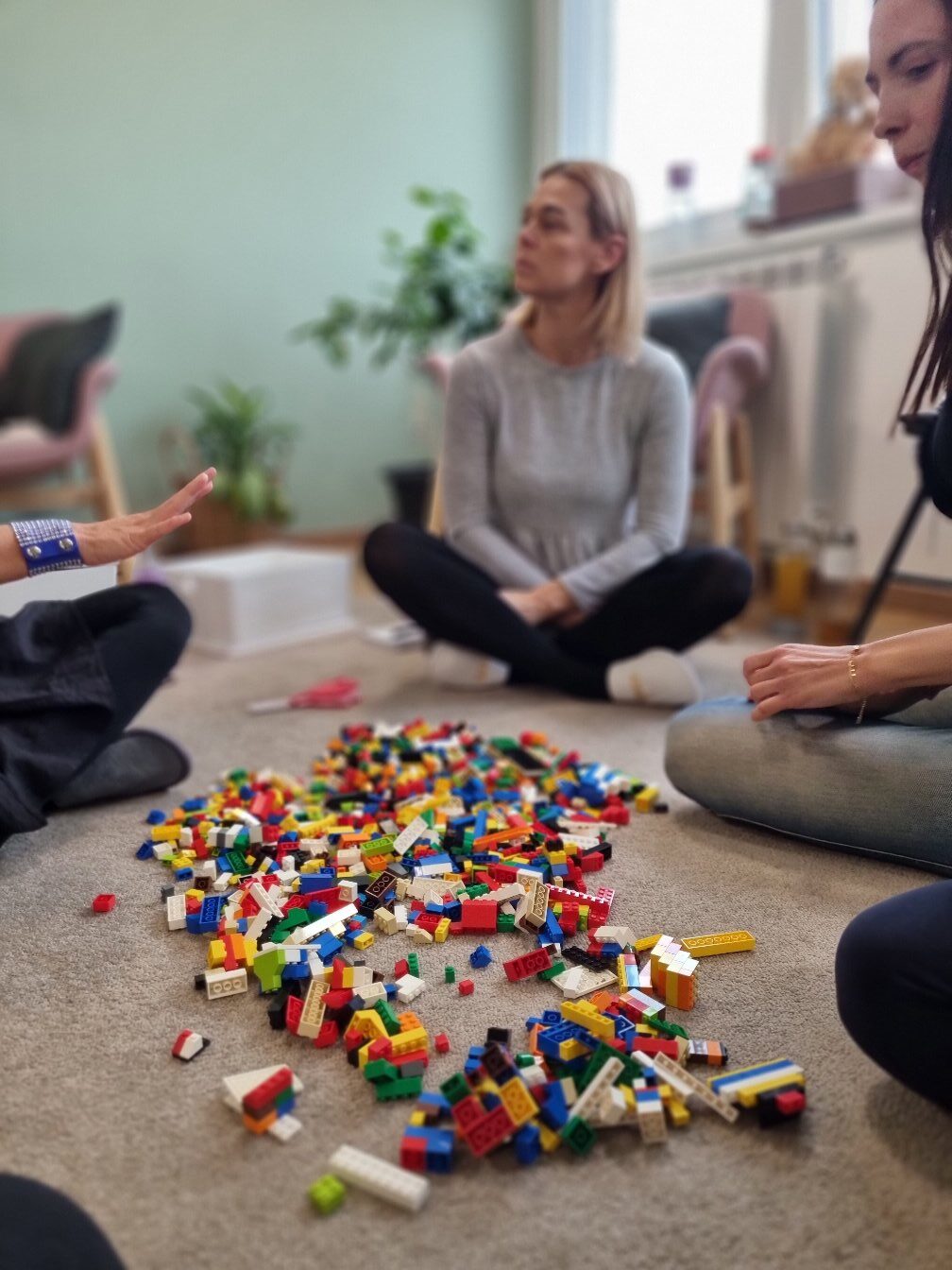
It is designed as one big coaching session — every day, every module. Coaching is not a subject that is taught. It is an experience that is lived, and only then does it become a skill.
It provides a complete background to coaching — and encourages participants to always look for the question behind the client's question.
The first module lays the professional foundations. Participants learn what coaching is and what it is not, what a clear coaching conversation structure looks like, how to set a goal and focus, and how to lead the process without giving advice. The emphasis is on presence, listening, asking questions and understanding the role of the coach. This is the module in which confidence, clarity and a professional framework are built.
The second module is devoted to precision of language. Participants learn how words shape perception, how to recognise patterns in a client's speech, and how to use questions, reflecting and linguistic interventions that open up space for insight. Language becomes a tool for uncovering the client's beliefs, focus and inner maps. This is the module in which the coach learns to hear between the lines.
The third module enters the emotional dimension of coaching. Participants learn how to work with a client's emotions without doing therapy, how to recognise resistance, how to stay present in emotional intensity and how to use emotions as a signpost rather than an obstacle. The emphasis is on regulation, safety and professional guidance through the emotional layers.
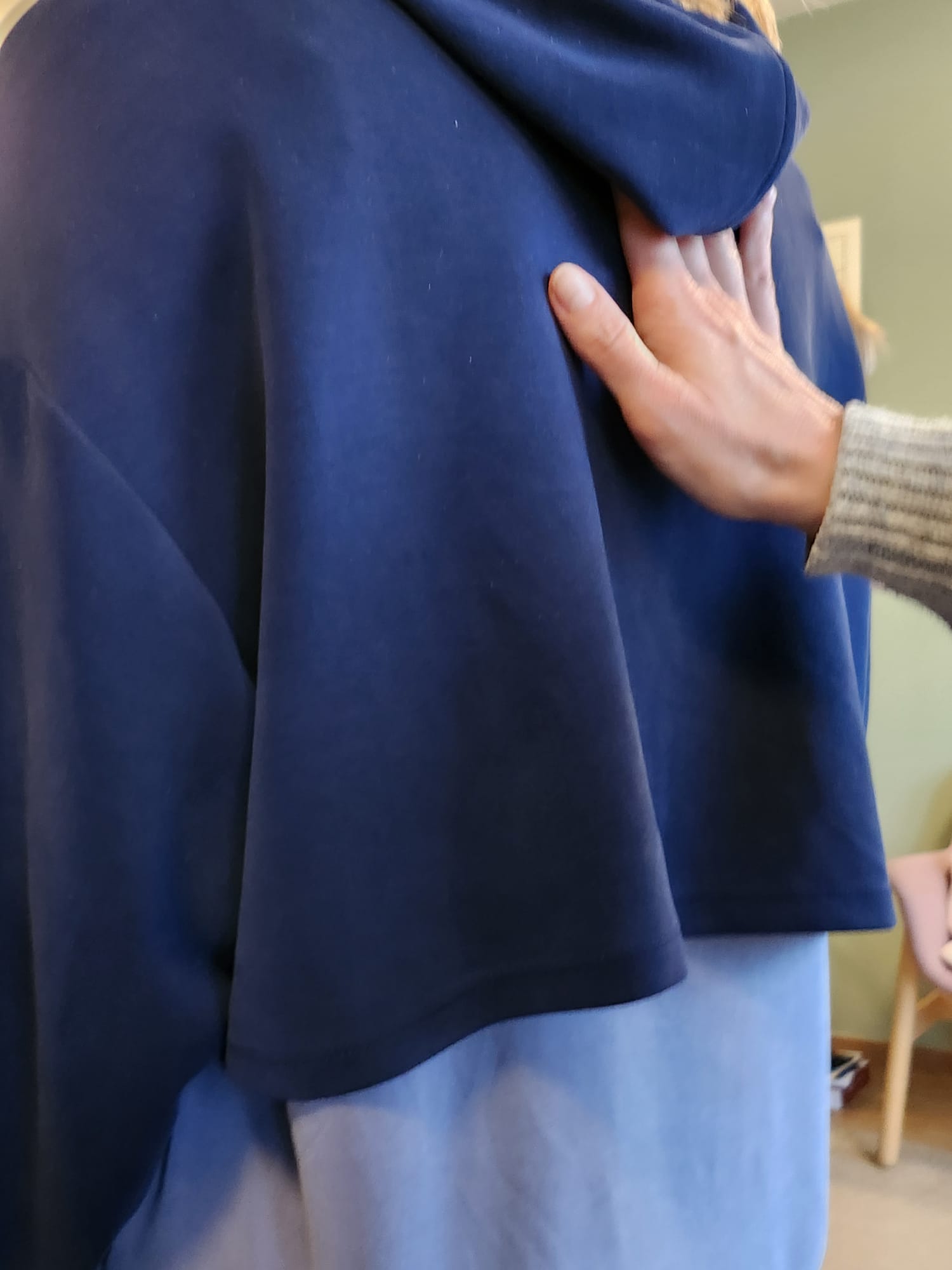
The fourth module opens up somatic intelligence. Participants learn how the body responds to thoughts, beliefs and emotions, how to recognise non-verbal signals and how to use breathing, slowing down and body awareness as part of the process. The body becomes a source of information, insight and change. This is the module in which the work happens beneath the story.
The final module is entirely practical. Participants lead coaching processes from start to finish and receive supervision, clear guidance and concrete feedback. This is the module of integration — everything learned throughout the programme comes together as a whole. Participants leave with a clear structure, confidence and the ability to lead coaching conversations independently and professionally.
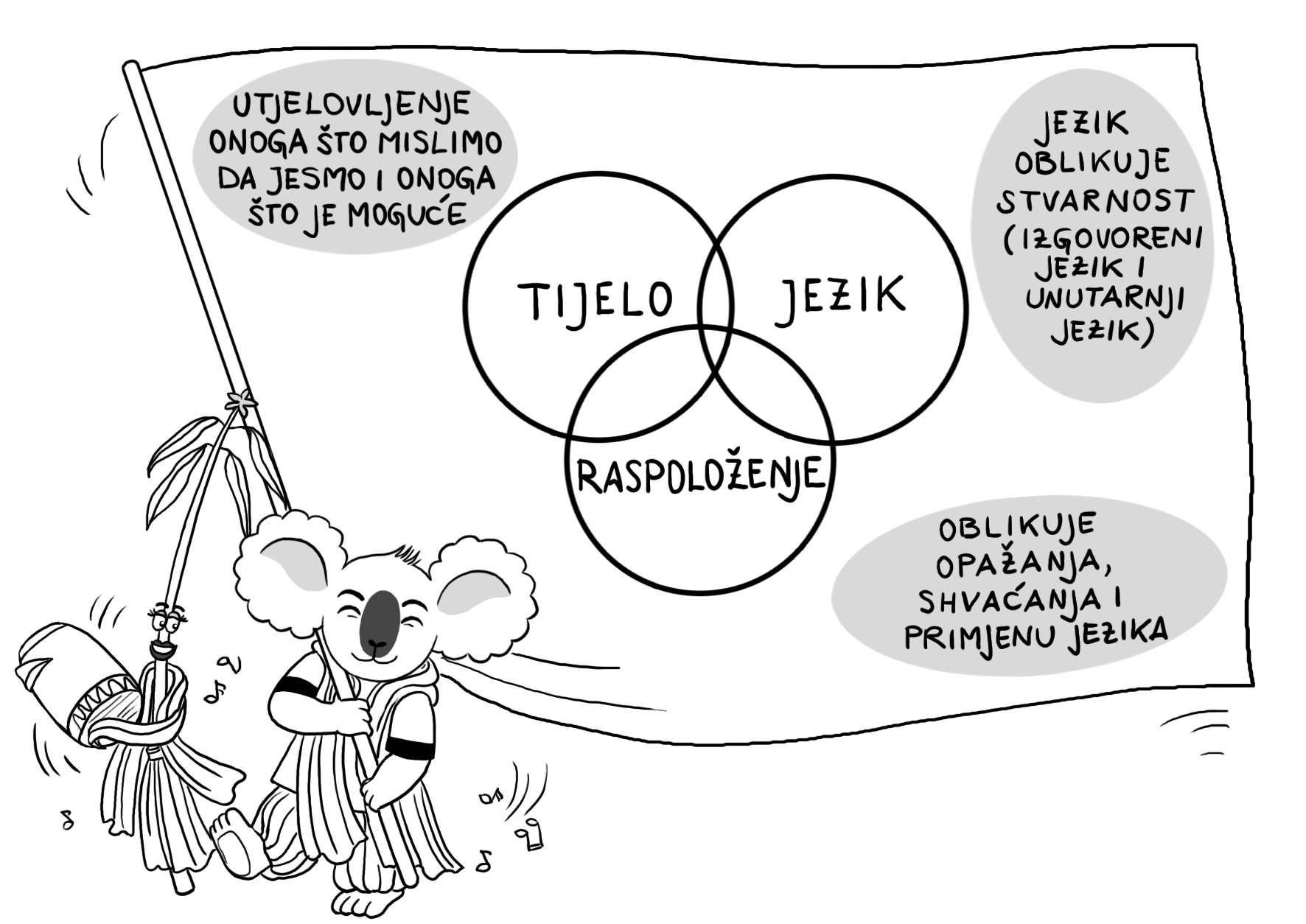
Ontological coaching sees a person as a system of three interconnected dimensions. A change in one always changes the other two. The focus is on a way of being, not on doing or having.

What do those who have walked the path say?
“Alongside training in coaching practice, School of Coaches is also an opportunity for self-discovery and personal growth in a safe environment, with the support of experts and an encouraging group.”
“At the school I gained insight into myself, lots of friends and lots of knowledge. What I didn't expect was how deep it goes — and how far it takes you.”
“It is not just training for future coaches. If you ever want to understand the people around you — and yourself — better, this is the starting point. The questions you learn to ask stay with you forever.”
“A high-quality, eye-opening training for anyone who isn't afraid of change. A great opportunity to meet fantastic people with amazing stories, and an even better one to get to know and upgrade yourself. Get ready for an emotional roller coaster — and precisely because of that, be patient. Months after the training I still have AHA moments.”
“The training inspired me to look at things from a different perspective, taught me to set boundaries more clearly and to see working on myself as a creative and playful process. I warmly recommend that everyone start their coaching journey with Tihana — she is an exceptionally inspiring, empathetic and knowledgeable educator.”
“I gained a clearer insight into my own ‘templates’ and the beliefs that hold me back from reaching my goals, as well as confirmation that it is possible to change both myself and the way I experience the world around me.”
“As I'm not a theory-and-books person, I learn best when I go through processes and exercises, when I experience and live things through. That is exactly what I got at this coaching training. The result: a new me — a coach!”
“I gained self-confidence. I trust myself more than ever. I believe everyone will get exactly what they are missing right now.”
“School of Coaches is a phenomenal experience that I recommend to anyone ready for change and for working on themselves. The programme is truly run so that, over 72 hours, participants immerse themselves in coaching on every level. Warmly recommended!”
“All praise for School of Coaches. I did it after many years of working with clients — it wasn't my first coaching school — and it was still a very valuable experience: run professionally, with full attention to the participants. Wholeheartedly recommended.”
“Even though I came with a great deal of prior knowledge, Tihana managed to challenge some of my assumptions about coaching and taught me additional approaches and techniques that I still use in my work with people today. My warmest recommendation for coaching education!”
“Only through weeks of work with a wonderful team of facilitators did I grow, change and become ever more aware of myself and my patterns.”
“If you want to work on yourself and help others, this is the right choice. I learned how to understand myself and others, and how to pass that on to those who are interested.”
“School of Coaches 1 at Elevate was a truly wonderful experience for me, and an education I am extremely satisfied with. The programme is well structured, deep, practical and highly applicable, but what made the whole experience special was the atmosphere of support, safety and real personal growth. I would especially like to highlight the lead educator of my cohort, Trešnja Šarčević — a lovely person, an exceptional coach and someone who passes on knowledge in a fantastic way: clearly, warmly, expertly and with a wealth of experience. I wholeheartedly recommend Elevate and School of Coaches to anyone who wants high-quality education, personal growth and a serious start in coaching.”
Key information about the next
School of Coaches
9 days over 5 weekend modules (Saturdays and Sundays), 9:00–18:00. Groups are deliberately small — so that all learning stays concrete, personal and applicable from the very first module. Work also happens in even smaller groups within the main group, which keeps the transfer of knowledge individual. The format adapts to the participants, not the other way round.
Applying does not automatically mean enrolment. Every candidate completes a short questionnaire and an interview — so that we can be sure this is right for you, and that you are right for the group.
Get in touchSchool of Coaches was not born
from a business idea.
It was born from a love of the method.
2011
“You don't learn coaching.
You become a coach.”
You can stop here.
At least half of our participants say: “This was excellent — now I understand coaching and how to apply it in my own environment. I don't want to become a coach.” And that is absolutely legitimate.
School of Coaches 1 is complete in itself. It introduces a new perspective on communication and changes the way you understand relationships — with yourself and with others. Self-coaching, the drone and the Observer become part of everyday life, which leads to better conversations with yourself. Many treat it as personal development worth every investment, regardless of their professional goals.
Or you can continue.
If School of Coaches 1 resonates with you so much that you want to make coaching a serious profession — or integrate it as a key tool into your existing work — School of Coaches 2 is your next step.
An accreditation process (online + in person) that results in two qualifications: an EQA Practitioner certificate from Elevate and individual EMCC EIA accreditation from EMCC Global in London. International coaching accreditation that opens doors without you having to explain who you are.
Dare to become
your own masterpiece.
Places are limited, and every application is handled individually. If you are thinking about it — now is the right time to ask. What interests you? What does the process look like? Is this for you? What makes you hesitate? What are your doubts? We will answer everything. That is how you begin to elevate.